The speciality of Kawatana Onsen: kawara soba
Kawara soba is a dish with ancient roots, which were threatened during the Seinan War in 1877.

Kawara soba (瓦そば) is a typical dish from Yamaguchi Prefecture, more precisely from the Kawatana Onsen area, invented by Shinichi Takase.

He was struck by the soldiers of the Satsuma domain who ate wild grass, meat and other foods cooked on a Japanese kawara, or tile, while besieging Kumamoto Castle during the long battles of the Seinan War in 1877.

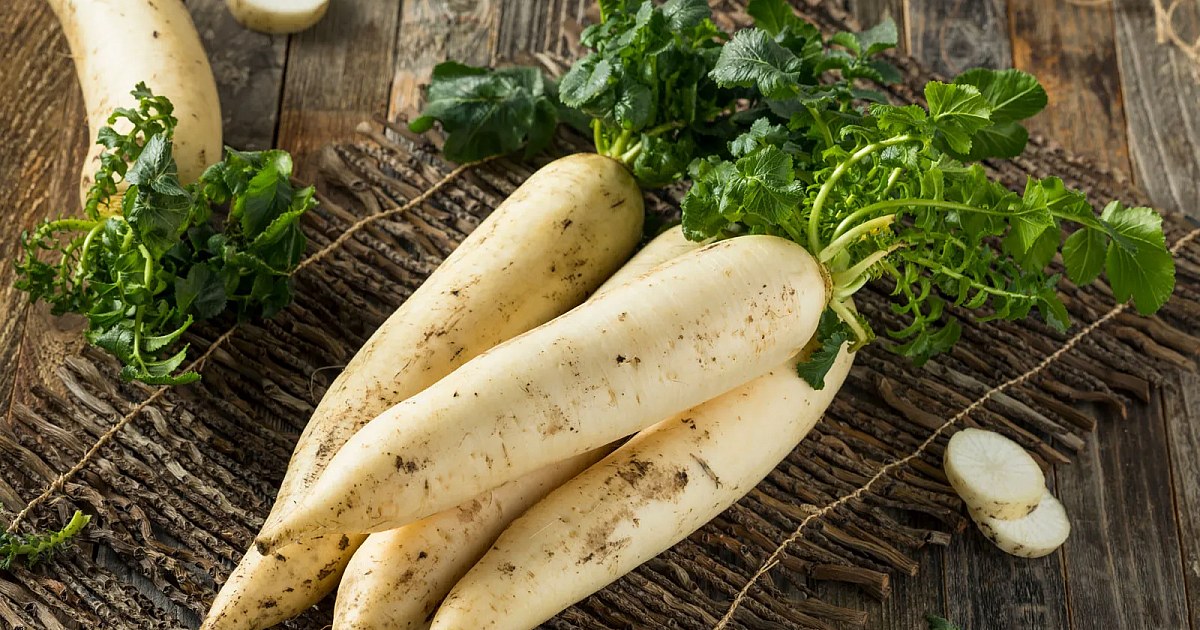
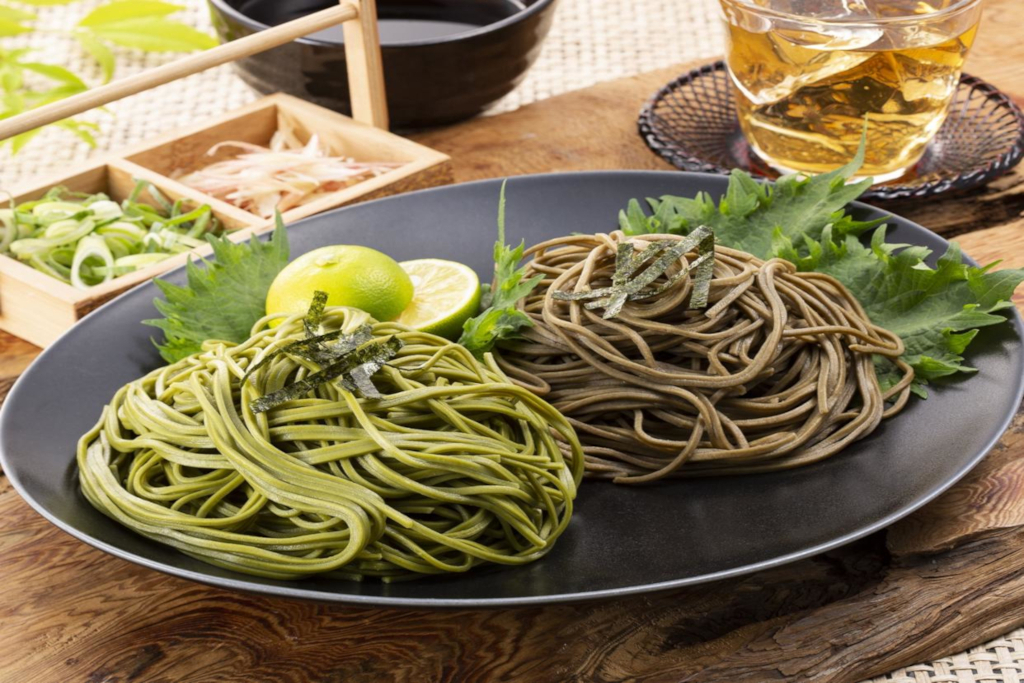
Shinichi Takase therefore decided to create a unique recipe using decades-old Japanese kawara: delicate but delicious green tea soba, beef, thinly sliced fried egg, seaweed, grated daikon and chilli pepper, topped with a slice of lemon, all served with the original soba soup created by Takase in his restaurant (元祖瓦そば たかせ 本館). The original kawara soba is very famous and many Japanese people come from all over Japan to try it.

Different types of kawara soba
There are several variations of kawara soba, let's discover them. Kawara soba noodles are a staple food in Yamaguchi cuisine. This dish is prepared by placing boiled green tea noodles on a hot tile, called kawara, adding beef or strips of fried egg and dried seaweed seasoning before grilling. It is very important to enjoy the first bite as it is, the second with a seasoning and finally with a bonito and seaweed dipping sauce.
Another variation is takase kawara, noodles with the remarkable and refined flavour of the famous Uji tea.
We particularly recommend kawara soba grilled on tiles for its crispiness.
Another delicacy from Yamaguchi Prefecture, not based on noodles but on rice, is una-cha, or eel with tea and rice. This dish is prepared by pouring broth over flavourful Japanese eel, grilled until tender.
What do you need to make Kawara soba?
Ingredients for 2 people:
o Chopped 200 g
o Hot water (for boiled foods) 150 g
o Salad oil 19g
o Beaten egg 23 g
o Minced beef 200 g
o Soy sauce 14g
o Cooking sake 14g
o Miele 16g
o Salad oil 15g
o Mentsuyu (double concentrate) 150g
o 150 g water
o sweet sake 14g
o Chopped seaweed 8g
o Small onion (chopped) 10 g
o Lemon (sliced) 28 g
o Grated maple 10g
Preparation
We follow all stages of preparation step by step:
1. Begin preparing the kawara soba by heating the water. Once it has reached boiling point, add the cha soba and cook for approximately 1 minute. Once cooked, drain the noodles and rinse them under running water.

2. Prepare the nishiki tamago. Pour the oil into a frying pan heated over medium heat, pour in the beaten egg and spread it over the entire surface of the pan. Once cooked, cut the nishiki tamago in half and cut it into julienne strips.

3. Now it's time to prepare the shigureni beef. Start by heating a frying pan with oil over medium heat, add the minced beef and brown well. When cooked, add the soy sauce, sake and honey, then remove from the heat.

4. Now it's time to cook the cha soba using the same method, i.e. heat the oil in a frying pan over medium heat, add the previously boiled cha soba (step 1) and fry for about 3 minutes until golden brown, then remove from the heat.
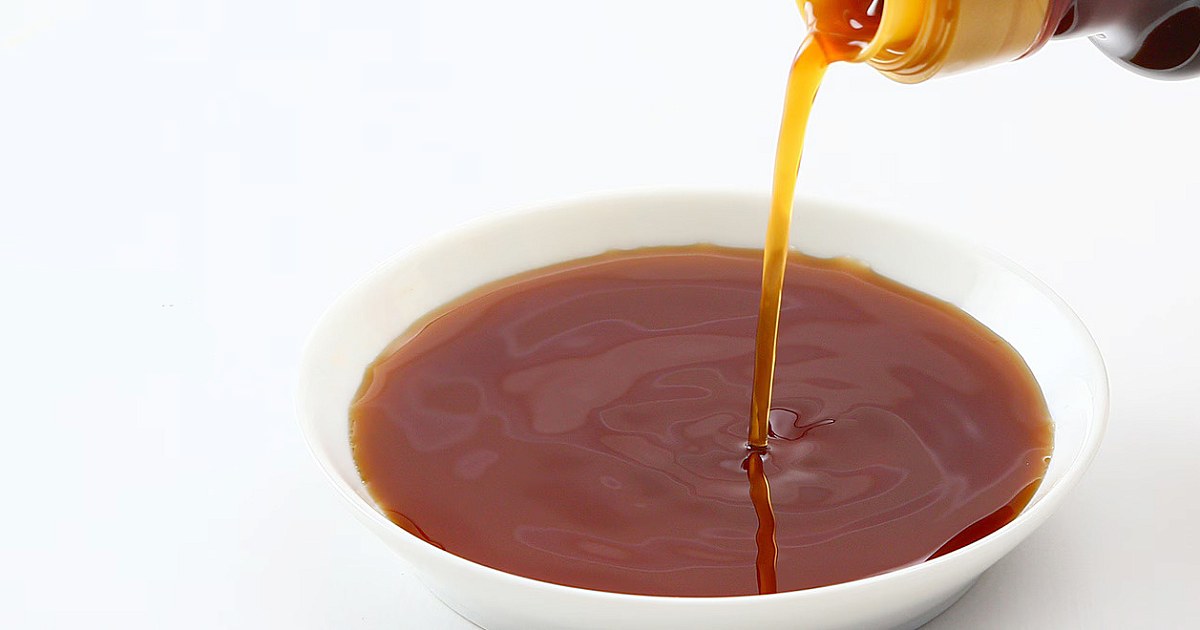
5. Now that everything is ready, let's prepare the soup. Put all the ingredients for the soup in a pan and heat everything over medium heat. Once it has boiled, remove from the heat. Everything is now ready to serve this delicacy. Place the ingredients on a plate in the following order: cha soba, tamago and shigureni beef, while pouring the soup into a separate bowl.

The recipe calls for honey, but you can substitute sugar. The sweetness varies depending on the type, so you can adjust it to your liking.
Where to eat Kawara soba
Dandan-Jaya (Fukunohana Shin-Yamaguchi Branch)
About an hour or an hour and a half by car from Kawatana Onsen, an izakaya located in the city of Yamaguchi has been open for many years and is popular with locals. Its menu naturally includes Kawara soba, which is not served on a tile-shaped plate but on an iron plate.

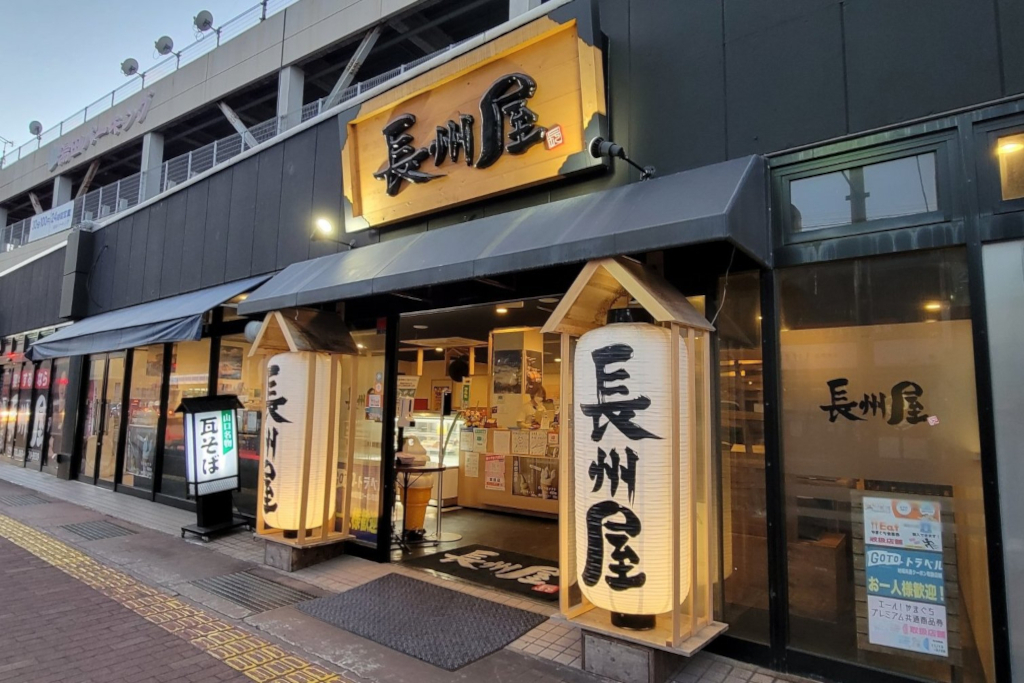
Choshuya Yuda Shop
Even in this renowned restaurant, kawara soba is served on hot plates. Although the dish is served on regular plates, it is very difficult to find a place to taste this delicacy.
Prodotti citati nell’articolo
Una selezione Domechan collegata a questa guida.


