
Japanese daikon: flavour, preparation and tips
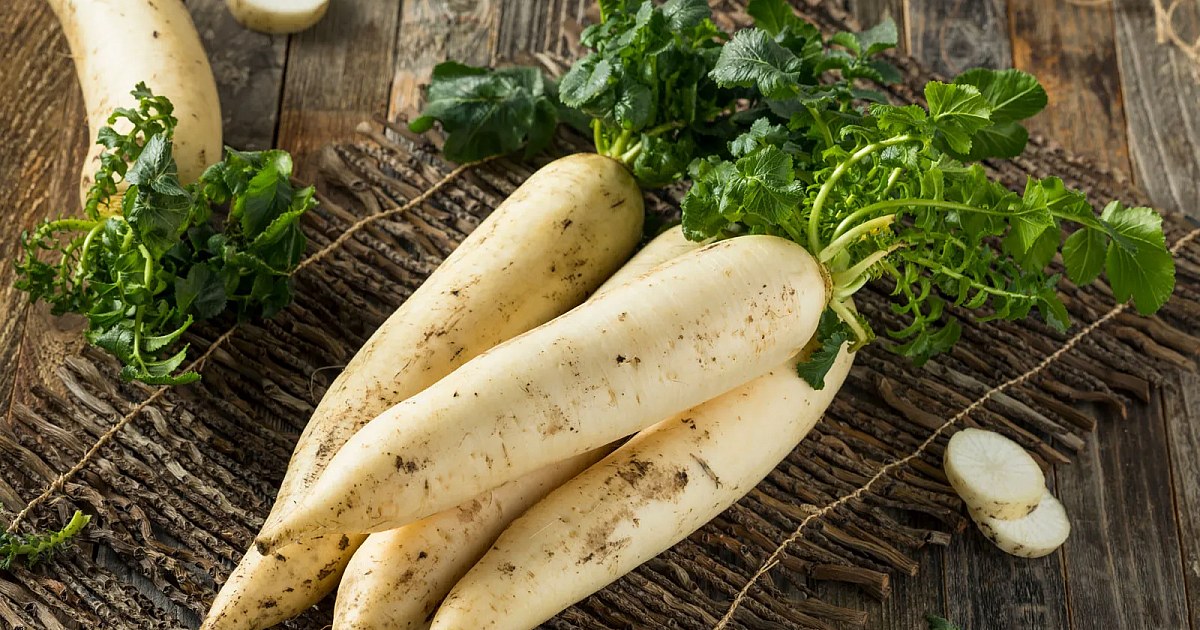
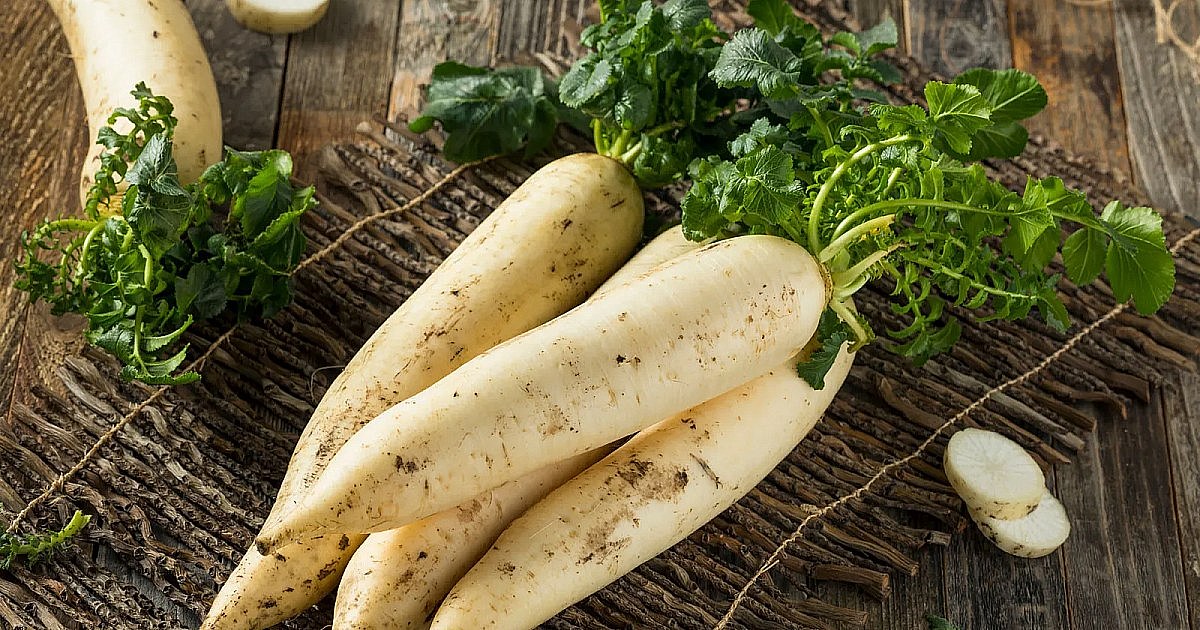
Daikon is a key ingredient in Asian cuisine, particularly in Japanese cuisine, where it is used daily in both simple and elaborate dishes. It is a variety of radish with a long, white root, recognised as a cultivar of the species Raphanus sativus, native to East Asia.
Introduction and dietary context
Daikon is a key ingredient in Asian cuisine, particularly in Japanese cuisine, where it is used daily in both simple and elaborate dishes. It is a variety of radish with a long, white root, recognised as a cultivar of the species Raphanus sativus, native to East Asia.
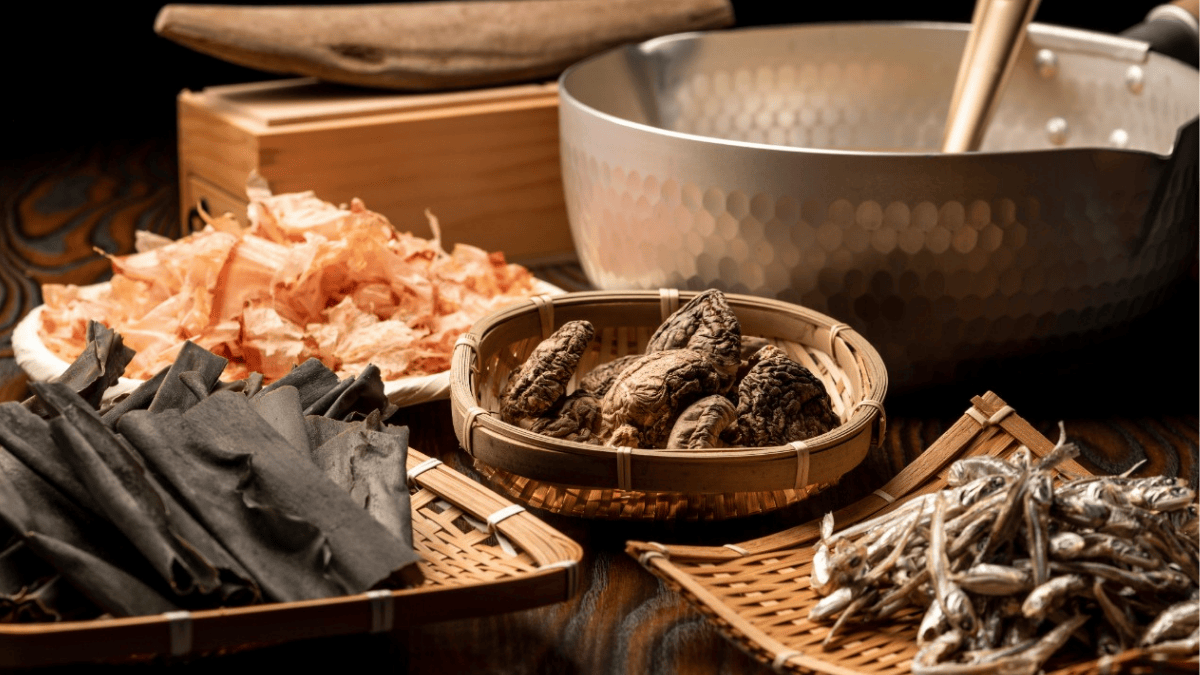
This vegetable is characterised by its crisp flesh and delicate flavour, which is less pungent than that of the common radish, making it versatile in many culinary preparations. Its elongated shape and considerable size – it can grow up to 35 centimetres – mean it can be used both raw, in salads or as a garnish, and cooked in soups, stews or traditional dishes such as oden, a Japanese winter soup in which the daikon absorbs the flavours of the dashi stock made with konbu seaweed and katsuobushi flakes.
Anyone new to Japanese cuisine or looking to add variety to their diet will find daikon to be a valuable ingredient: not only because of its versatility, but also because it is easy to store and buy, as it is often available fresh in specialist supermarkets or ethnic food shops. To get the best results when cooking daikon, it is advisable to choose firm, unblemished roots, preferably those with a smooth surface and a deep white colour.
Thanks to these characteristics, daikon fits perfectly into your daily diet, adding a touch of authenticity and freshness to dishes, whether they are traditional Japanese recipes or modern culinary creations featuring Asian ingredients.
Origin, history and spread
Daikon, a variety of radish native to East Asia, is characterised by its elongated shape, reminiscent of a large carrot, and usually measures between 20 and 35 centimetres in length. The term ‘daikon’ comes from Japanese and refers specifically to this white, crunchy root vegetable, which has been used for centuries in the traditional cuisines of Japan and other Asian regions. The cultivation of daikon has ancient roots, forming an integral part of agricultural and culinary practices in countries such as Japan, China and Korea.
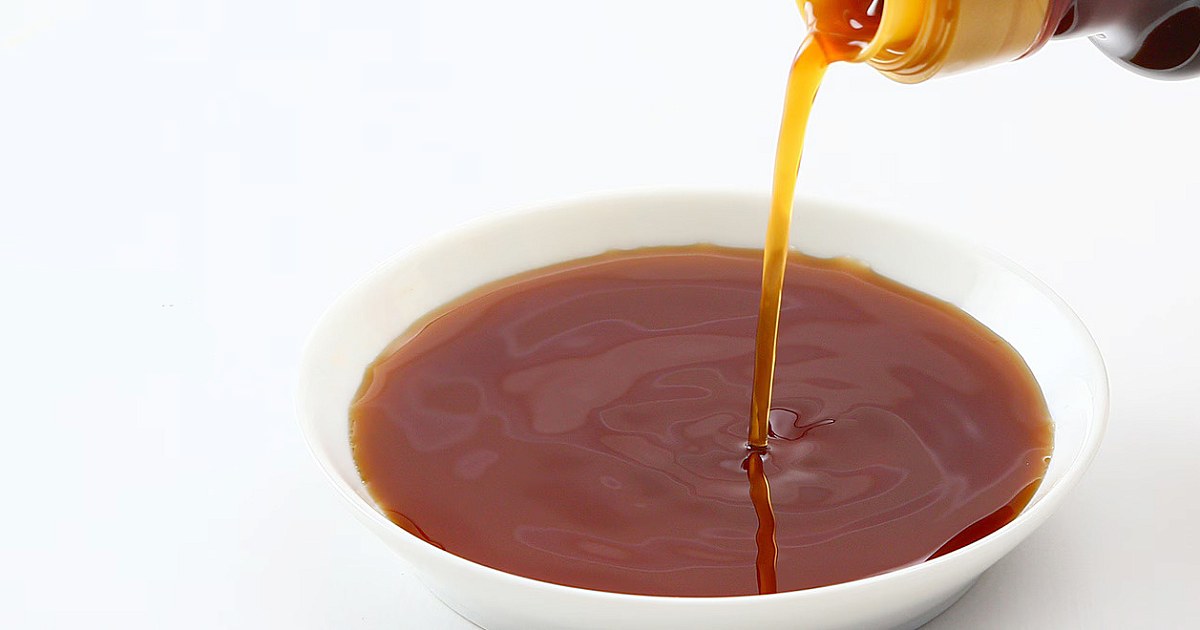
In Japan, daikon is an essential ingredient that features in many traditional recipes, particularly during the colder months. It is often used as a base for nourishing, warming dishes, such as oden, a winter soup known for its variety of ingredients slowly simmered in a dashi stock made from konbu seaweed and katsuobushi, flavoured with soy sauce. This dish highlights the cultural and gastronomic importance of daikon during the colder months, when its texture and delicate flavour complement other traditional ingredients perfectly.
The scientific name of this root is Raphanus sativus var. longipinnatus, but it is also often referred to as Raphanus raphanistrum subsp. sativus, in reference to its classification within the long-root radish family. The daikon has spread beyond East Asia, thanks to migration and the growing interest in Japanese cuisine around the world, making it a popular ingredient in international cuisine too. Its versatility, combined with a delicate, slightly sweet flavour, makes it ideal for a wide range of dishes, both raw and cooked.
In short, daikon is not only a vegetable with ancient origins but also a symbol of Japanese culinary tradition, and its global popularity highlights its use in various types of cuisine.
Ingredients, flavour and characteristics
Daikon, a type of white radish native to East Asia, is characterised by its elongated shape, reminiscent of a large carrot, typically between 20 and 35 centimetres in length. This root vegetable has a smooth surface and crisp flesh, with a delicate, slightly sweet flavour and an aftertaste that may have a hint of heat, though much milder than that of common radishes.
Among the most common varieties in Japan, the aokubi daikon stands out, prized for its firm texture and mild flavour, making it ideal for a wide range of dishes. There are, however, other types of daikon that vary in size and intensity of flavour, some being more tender and others having a more pronounced pungent note.
Daikon is ideal for eating either raw – finely sliced for salads or as a fresh accompaniment – or cooked, when its sweetness intensifies and its texture softens. It is an essential ingredient in many traditional recipes, such as oden, a Japanese winter soup in which daikon is cooked alongside other ingredients in dashi stock – made with konbu seaweed and katsuobushi flakes – and seasoned with soy sauce, giving the dish a balance of umami flavours and a pleasant tenderness.
Compared to other similar root vegetables, daikon stands out for its versatility and its ability to absorb flavours, making it a valuable ingredient in the kitchen. Furthermore, thanks to its nutritional profile, it is prized not only for its flavour but also for its health benefits; it is a light and easily digestible food that adds freshness and lightness to the dishes in which it is used.
Culinary uses and pairings
Daikon is a versatile ingredient in Asian cuisines, particularly in Japanese cuisine, where it is used both raw and cooked. Its crunchy texture and delicate flavour mean it can be incorporated into a wide variety of dishes. In particular, it is a key ingredient in oden, a Japanese winter soup in which vegetables and other ingredients are slowly simmered in an aromatic dashi stock made from katsuobushi and konbu seaweed, giving the dish a balanced and comforting flavour.
It can be cut into thin slices or julienne strips for fresh salads, often served with light dressings such as rice vinegar or soya sauce to bring out its natural sweetness and slight spiciness. In cooked dishes, as well as in oden, daikon works well in soups, stews and braised dishes, where its ability to absorb flavours makes it an ideal accompaniment to meat and fish.
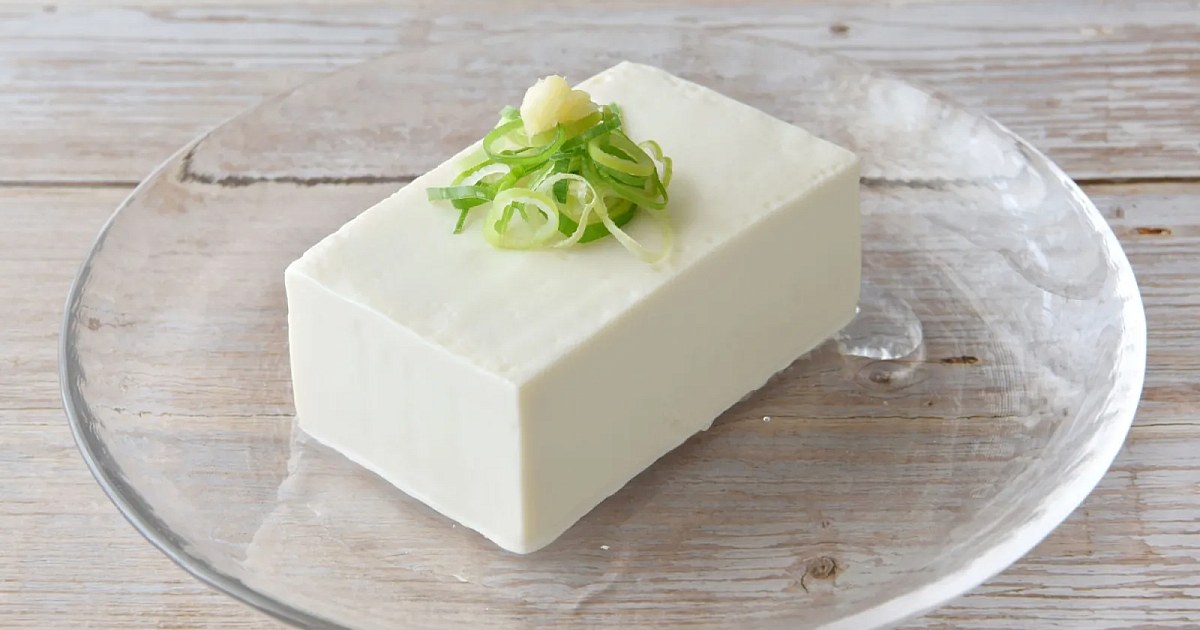
To bring out its fragrance without overpowering the flavour, it is advisable to measure out the quantity carefully: usually a quarter of a medium-sized daikon per portion is sufficient, thus preventing the flavour from becoming too overpowering. Recommended food pairings include ingredients such as tofu, shiitake mushrooms, seaweed and soya sauce, which, with their umami, create a refined aromatic balance.

Whether in home or professional kitchens, daikon can also be grated and served as a refreshing accompaniment to grilled or fried meat dishes, making the most of its ability to aid digestion. Furthermore, it is ideal for adding flavour to broths and soups, bringing a touch of lightness and a subtle aroma, thereby enhancing the variety of dishes without making them too heavy.
Preparation, storage and tips
Daikon, a white root vegetable with a delicate aroma, requires careful preparation to bring out its flavour and preserve its nutritional properties. Before using it, it is advisable to peel the surface with a sharp knife or a potato peeler, removing any imperfections. Cutting it into thin slices, cubes or julienne strips ensures even cooking and allows it to blend better into dishes.
<p>One of the most common ways of eating daikon in Japan is to add it to oden, a hot soup in which the root soaks up the dashi stock made from konbu seaweed and katsuobushi, enriching the dish with its soft texture and slightly sweet flavour. Alternatively, it can be eaten raw, for example grated as a tangy accompaniment to fish or meat dishes.
To keep it fresh, it is essential to store daikon in the fridge, wrapped in a damp cloth or cling film, to prevent it from being exposed to the air, which could cause it to dry out or lose its crunch. If you wish to extend its shelf life, once cut, you can soak it in cold water and store it in a sealed container, changing the water every day.
Be careful to avoid common mistakes such as storing it at room temperature for long periods or in environments that are too damp, as this can speed up spoilage. Furthermore, it is best to eat daikon within a few days of purchase to enjoy its flavour and texture at their best.
Finally, to ensure you use daikon correctly, we recommend choosing firm roots with a smooth, bright white surface, avoiding those with dark spots or soft patches, which indicate that the produce is no longer fresh. Finally, culinary combinations such as soups, stews or salads highlight the versatility of daikon, allowing you to experiment with both delicate and more robust flavours by adding spices or condiments such as soya sauce.
How to choose the right product
When deciding to buy Japanese daikon, it is essential to consider certain characteristics to ensure you get a fresh product that suits your culinary needs. The most common shape is a long, cylindrical root, similar to a large carrot, which can measure between 20 and 35 centimetres in length and have a diameter of around 5–10 centimetres. Choosing a medium-sized daikon makes it easier to prepare and incorporate into traditional dishes such as soups or salads.
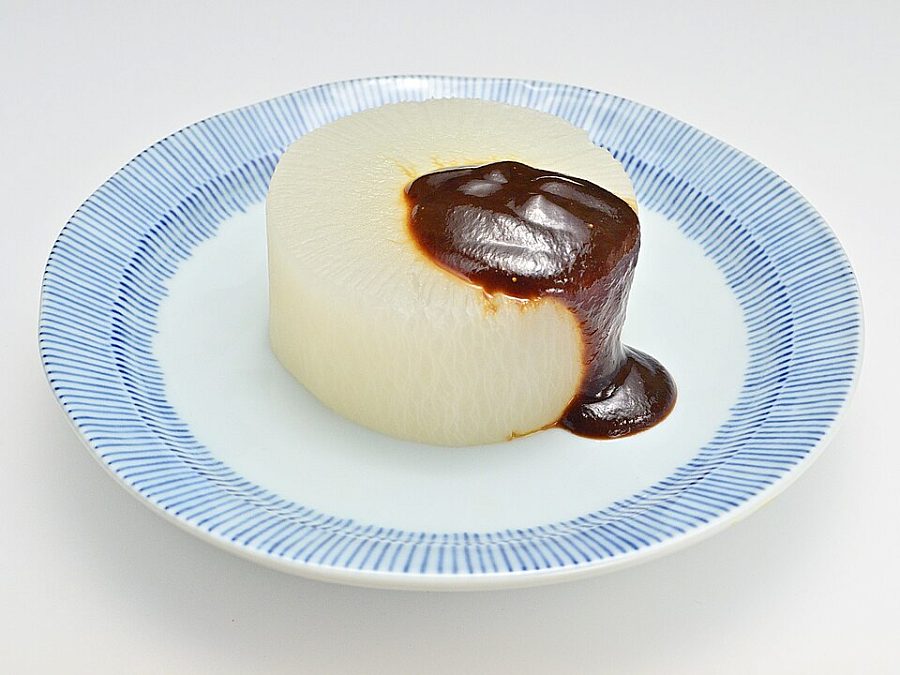
It is crucial to examine the surface of the root: smooth, blemish-free skin indicates freshness, whilst dark marks or bruises may suggest spoilage or poor storage. The daikon should feel firm to the touch; avoid those that are too soft or limp, as this is a sign of age or poor storage. Furthermore, if you plan to cook it for a long time, a larger, sturdier root will retain its texture better during the cooking process.
Reading the label carefully is another essential step, especially when the product is pre-packaged. Information such as the origin, the variety (for example, ‘aokubi daikon’, the most common variety in Japan), and storage conditions helps you make a more informed choice. For those who prefer to eat it straight away, choosing fresh daikon from local markets or reliable suppliers can ensure superior quality.
Finally, the intended use influences your choice: for raw dishes, it is best to opt for sweeter, less pungent roots, whilst for stews or dishes cooked in stock, you can choose larger daikon with a stronger flavour. In any case, assessing the appearance and texture, as well as checking the information on origin, are key factors in making an informed and satisfying purchase.
Frequently Asked Questions
What is the best way to store fresh daikon at home?
To keep daikon fresh for longer, it is best to wrap it in a damp cloth or cling film and store it in the vegetable drawer of the fridge. This prevents it from drying out and preserves its crispness and delicate flavour for several days. Furthermore, if it has been cut, it is best to store it in an airtight container to prevent it from absorbing odours from other foods.
How can you use daikon in cooking to bring out its flavour?
Daikon can be used in many different ways, from cooking it in soups and stews to eating it raw in salads. For example, in Japan it is common to slice it thinly and use it as a garnish or accompaniment to fish dishes, as its fresh, slightly spicy flavour helps to balance the intensity of the fish. Furthermore, grated daikon is often served with fried dishes to add a fresh, light touch.
How can you tell if a daikon is of good quality when buying it?
A fresh, high-quality daikon should have a smooth, unblemished surface, a uniform white colour, and no soft or yellowed patches. It should feel firm to the touch and feel heavy for its size, which is a sign of good moisture content. Furthermore, if the leaves are still attached, they should look fresh and green, which is an indication of overall freshness.
What are the typical ways to use daikon in Japanese cuisine?
In Japan, daikon is often used in soups such as oden, where it is simmered slowly in dashi stock to absorb its delicate flavours. It also goes very well with soya sauce, miso and rice vinegar, which bring out its natural flavour. It is also commonly served with grilled fish or meat dishes, where its freshness contrasts with the richness of the fat.
Can daikon be eaten raw, or does it always need to be cooked?
Daikon can be enjoyed both raw and cooked. When eaten raw, it is often grated or cut into julienne strips to add crunch and a tangy flavour to salads or as a garnish. When cooked, however, it becomes sweeter and softer, making it ideal for soups and stews. The choice depends on the dish you wish to prepare and your personal taste.
Are there any precautions to take when using daikon in cooking?
As daikon is a fresh root vegetable, it must be washed thoroughly before use to remove any traces of soil. It is also advisable to eat it within a few days of purchase to enjoy its freshness at its best. For those with sensitive digestion, it is recommended to introduce it gradually into the diet, as it may have mildly digestive and stimulating properties.
Prodotti citati nell’articolo
Una selezione Domechan collegata a questa guida.


