Japanese matcha: flavour, preparation and tips
Matcha, a refined form of Japanese powdered green tea, is a distinctive feature of Japanese cuisine and culinary traditions. Its versatility is not limited to being consumed as a drink, but extends to its use in desserts and innovative recipes that highlight the unique flavour and beneficial properties of this ingredient. For those new to Japanese cuisine, matcha plays a fundamental role, thanks to its delicate yet lingering flavour and its nutritional profile rich in antioxidants, vitamins such as vitamin C, and minerals such as magnesium and zinc.
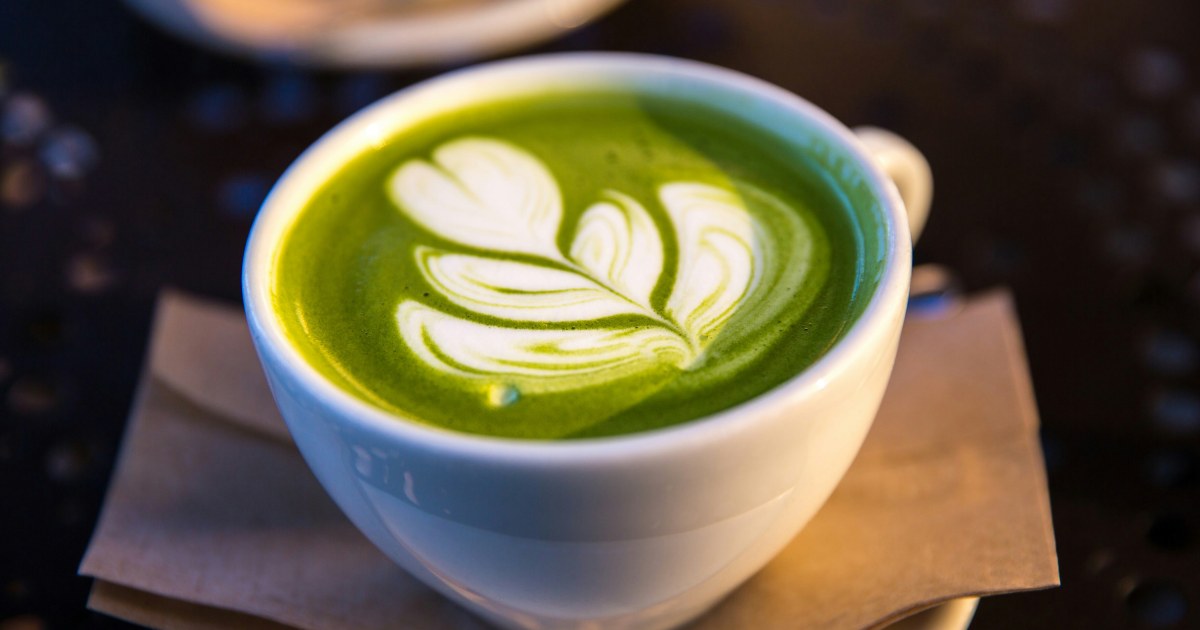
Introduction and dietary context
Matcha, a refined form of Japanese powdered green tea, is a distinctive feature of Japanese cuisine and culinary traditions. Its versatility is not limited to being consumed as a drink, but extends to its use in desserts and innovative recipes that highlight the unique flavour and beneficial properties of this ingredient. For those new to Japanese cuisine, matcha plays a fundamental role, thanks to its delicate yet lingering flavour and its nutritional profile rich in antioxidants, vitamins such as vitamin C, and minerals such as magnesium and zinc.
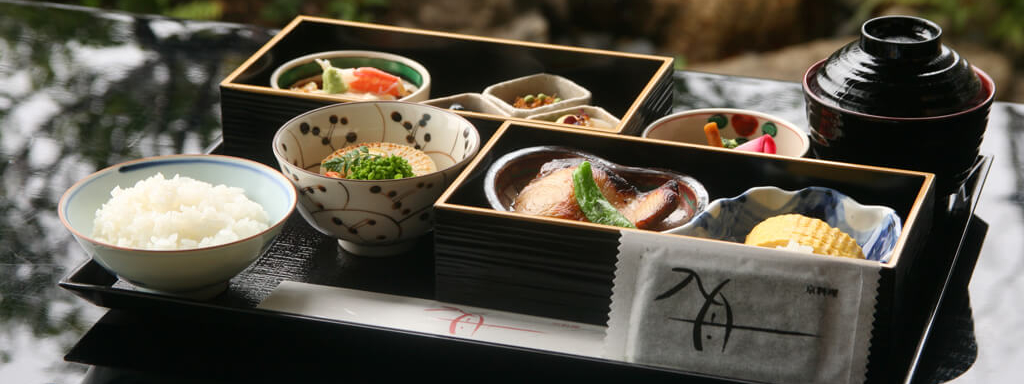
The consumption of matcha forms part of a culinary tradition characterised by dishes that prioritise fresh ingredients and preparation methods that strike a balance between taste and health. The Japanese diet, renowned for supporting a long life expectancy and low rates of obesity, is based on a wide range of superfoods, amongst which matcha occupies a prominent place. This culinary culture values respect for raw ingredients and care in food preservation to maintain their nutritional qualities.
For those who buy Japanese food, understanding the unique characteristics of matcha is essential for choosing high-quality products, which are often linked to historic production areas such as Uji, renowned for its production of fine green tea. Paying attention to the origin and cultivation techniques ensures a product that not only delights the palate but also contributes to a mindful and healthy diet, allowing you to successfully incorporate this superfood into your everyday recipes.
Origin, history and spread
Matcha, a type of finely ground green tea, has deep roots in Japanese culture and is a central element of tea ceremonies, dating back to the introduction of tea to Japan by the Zen monk Eisai in the 13th century. This method of drinking tea differs from the traditional infusion in that it involves consuming the entire leaf in powder form, thus providing a concentrated source of nutrients and flavour.
Originating from the Uji region, near Kyoto, this high-quality matcha is renowned for its delicate aroma and balanced flavour, the result of meticulous cultivation and traditional processing methods. Kyoto has established itself as the heart of green tea production in Japan, with numerous farms producing internationally recognised products of the highest quality.
Today, matcha is popular not only as a drink but also as a versatile ingredient in Japanese cuisine. In cities such as Kyoto, cafés and restaurants offer innovative matcha-based creations, such as matcha fondue, pancakes and parfaits, combining tradition and modernity to provide a tasty and healthy way to incorporate this superfood into one’s daily diet.
The popularity of matcha has spread far beyond Japan’s borders, thanks to growing interest in the antioxidant and nutritional benefits of this tea powder. Its fame is matched by the cultural significance it holds within Japanese social and ritual practices, making matcha a symbol of health, attention to detail and respect for nature.
Ingredients, flavour and characteristics
Matcha is a high-quality powdered green tea, made from the leaves of Camellia sinensis grown under specific shading conditions. This process stimulates the production of chlorophyll and amino acids, giving the final product a deep green colour and a rich, complex flavour. Matcha’s flavour profile is characterised by grassy notes and a delicate sweetness on the finish, often described as umami, which sets it apart from other, more bitter types of green tea.
Matcha has a delicately silky texture, making it ideal not only for drinking but also for incorporating into desserts and innovative dishes in contemporary Japanese cuisine. For example, in cities such as Kyoto, matcha is used to make desserts such as matcha parfaits and pancakes, which bring out its unique flavour and health benefits.
From a nutritional perspective, matcha is a concentrated source of antioxidants, including polyphenols and catechins, as well as essential minerals such as magnesium, zinc, vitamin C and selenium. These components contribute to matcha being regarded as a superfood, highly valued for its potential to support general well-being.
There are several varieties of matcha, mainly classified according to quality and intended use: ceremonial matcha, used in traditional tea ceremonies, has a more delicate flavour and is sweeter than cooking matcha, which is more robust and intense and is designed for culinary use.
Compared to other green tea-based drinks, matcha is characterised by the fact that the entire leaf is consumed in powder form, which significantly increases the concentration of beneficial active ingredients. This distinctive feature makes it much richer and more energising than, for example, infused green tea, which uses only water flavoured by the leaves.
When choosing a good matcha, it is also important to consider its freshness and storage conditions, as exposure to air, light and heat can rapidly degrade its organoleptic and nutritional qualities. For this reason, matcha is often sold in sealed packets and stored in cool, dry places.
Culinary uses and pairings
Matcha, a finely ground green tea powder, is renowned not only for the traditional drink made from it, but also for its versatile culinary uses. In Japan, as well as being used in the tea ceremony, matcha lends itself to many culinary preparations that bring out its delicate, slightly grassy flavour, with a sweet and lingering aftertaste.
In modern kitchens, matcha blends perfectly into both sweet and savoury recipes. In desserts, it is often found in mousses, ice creams, cakes and biscuits, where its unique aroma adds a touch of freshness and depth. For example, the the perfect matcha is a layered dessert that combines whipped cream, matcha ice cream, fresh fruit and biscuits, bringing together different flavours and textures in a harmonious balance.
There is no shortage of innovative ideas, such as pair with fondue, a twist on the traditional sweet fondue that uses matcha powder for the sauce, ideal for dipping fruit or sweets. Breakfast creations, such as matcha pancakes, also offer a simple and tasty way to incorporate this ingredient, carefully measuring out the powder to avoid any bitterness and balance the flavours.
When it comes to pairing with other ingredients, matcha goes well with delicate flavours such as soya or almond milk, which temper its intensity without masking its distinctive notes. It is also highly regarded when combined with citrus fruits such as yuzu or with desserts made with azuki (sweet red beans), as this creates an interesting and harmonious contrast.
When preparing matcha, it is important to use a moderate amount to avoid a taste that is too bitter or astringent. Generally, around 1–2 grams of powder is used for a cup of tea, whilst in dessert recipes the quantity is adjusted according to the portion size and other ingredients, to maintain an optimal balance of flavours.
Matcha powder must be stored carefully, preferably in airtight containers and away from light and moisture, to preserve its freshness and nutritional properties – which are particularly important when the powder is used in cooking to retain its vibrant flavour and colour.
Preparation, storage and tips
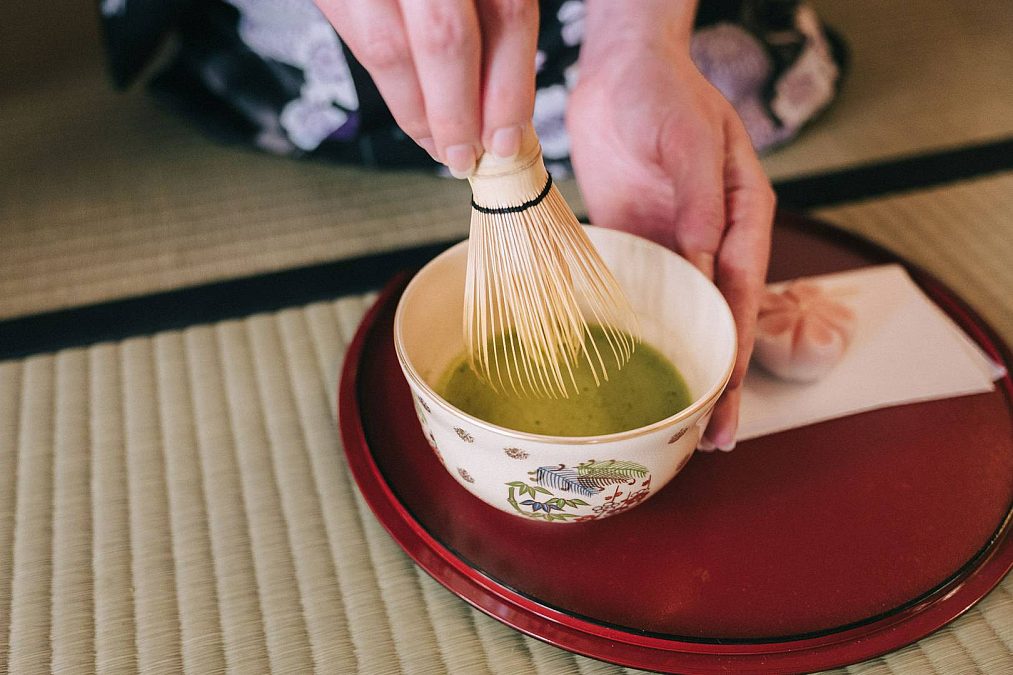
Preparing matcha requires care to bring out its sensory qualities. It is essential to use water at a temperature of between 70 and 80 °C to avoid scorching the powder, which would otherwise develop a bitter taste. Matcha should be sifted before brewing to prevent lumps and ensure a creamy, smooth consistency. Traditionally, a chasen, a bamboo whisk, is used to whisk the powder until a light foam forms on the surface.
To store matcha, it is important to protect it from oxidation and moisture. It should be kept in an airtight container, preferably in the fridge, to preserve its vibrant colour and antioxidant properties. Exposure to light and air accelerates deterioration, causing a loss of flavour and nutritional value. Good-quality matcha keeps for up to two months after opening, so it is advisable to buy it in small quantities.
When using matcha in cooking, as well as in the traditional drink, you can explore innovative combinations such as adding it to desserts or savoury dishes, where its grassy, slightly sweet flavour enhances the dish’s complexity. It is advisable to avoid using liquids that are too hot or too cold, as these could alter its delicate flavour.
A common mistake is to use boiling water or fail to sieve the powder, resulting in a bitter taste and annoying lumps. Another useful tip is to drink the matcha shortly after preparation to fully enjoy its health benefits and fresh flavour. Food safety is guaranteed by choosing matcha from certified farms that avoid contamination from pesticides and heavy metals, which is essential for informed and healthy consumption.
How to choose the right product
When buying matcha, it is essential to consider various factors to ensure you choose a product that meets both authentic standards and your personal requirements. First of all, the format: matcha is available as loose powder or in single-serve sachets, with the loose powder offering greater flexibility of use, making it ideal for those who wish to experiment with different recipes or preparation methods.
Quality is a key factor to consider. The finest varieties come from specific regions of Japan, such as Uji in Kyoto, which is renowned for producing matcha with a richer flavour and a bright green colour. High-quality matcha can also be identified by its label, which should clearly state its origin and, where possible, its grade, often categorised as ‘ceremonial’, ‘culinary’ or ‘superior culinary’.
Depending on the intended use, ceremonial matcha is preferable for traditional tea preparation, as it is characterised by a more pronounced delicacy and sweetness, whilst culinary varieties are suitable for making desserts, mixed drinks or savoury dishes, thanks to their stronger, slightly bitter flavour.
Finally, when making your choice, it is also important to consider storage: matcha must be kept in an airtight container, away from light, air and moisture, to preserve its nutrients and aroma. Making an informed purchase therefore involves reading the labels carefully and assessing your own needs, so that you can fully enjoy the beneficial properties and unique flavour of this powdered green tea.
Frequently Asked Questions
What are the main characteristics of the flavour of Japanese matcha?
Matcha is characterised by a rich, intense flavour, with a natural sweetness and a slightly bitter, grassy aftertaste. This unique combination stems from the way the tea leaves are grown in the shade and finely ground, giving them a creamy texture and a complex, herbaceous aroma that is truly one of a kind.
How should matcha be stored properly to preserve its aroma and properties?
Matcha should be stored in an airtight container, away from light, heat and moisture, to preserve its freshness and vibrant colour. It is advisable to keep it in the fridge if it is not used frequently, as this helps to extend its shelf life whilst maintaining its nutrients and aroma.
What are the best culinary pairings for matcha when making desserts and drinks?
Matcha pairs well with ingredients that have a neutral or slightly sweet flavour, such as almond milk, white chocolate, or delicate baked goods. It is used to make desserts such as panna cotta, ice cream and cakes, as well as drinks like matcha latte, which bring out its flavour without overpowering it.
How can you tell if matcha is of superior quality when buying it?
A high-quality matcha has a bright green colour, which is a sign of freshness and a high chlorophyll content. It also has a very fine texture and an intense, fresh aroma. It is important to choose products from renowned regions such as Uji in Kyoto, which guarantee high standards of cultivation.
What precautions should be taken when using matcha to ensure food safety?
To avoid contamination, it is essential to use clean utensils and water that is not too hot (around 70–80°C), as excessively high temperatures can alter the antioxidant properties of matcha. Furthermore, it is advisable to consume it within a few weeks of opening to preserve its nutritional qualities.
How has the Japanese matcha crisis affected market availability and prices?
The recent production crisis, caused by adverse weather conditions and rising cultivation costs, has reduced the availability of high-quality matcha, leading to a rise in prices. This makes it important to buy from reliable suppliers and carefully assess value for money in order to make informed purchasing decisions.
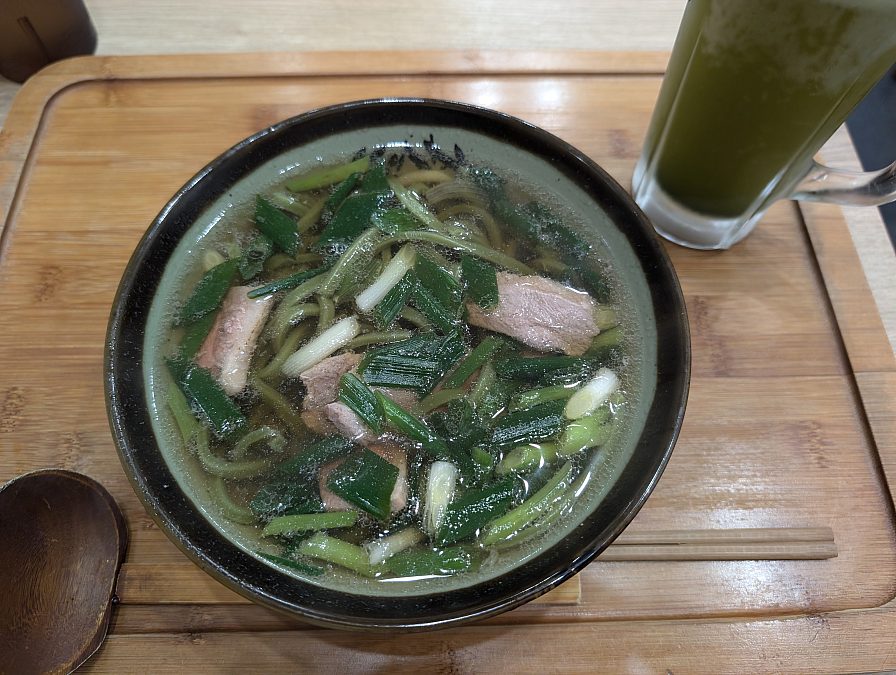
Matcha udon & Matcha beer
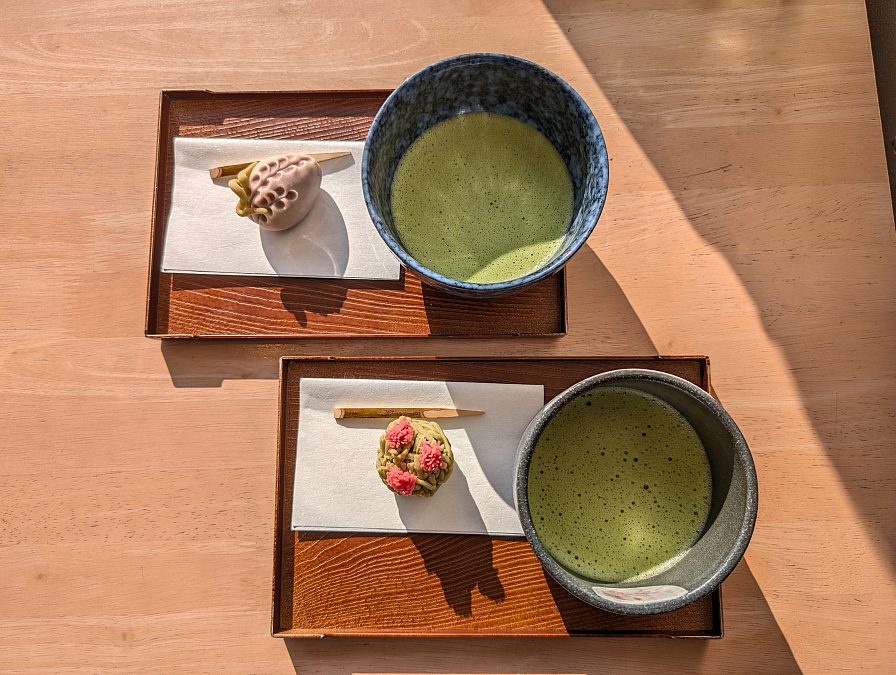
Wagashi and matcha by Noriko Jazayeri 2025 05 18
Prodotti citati nell’articolo
Una selezione Domechan collegata a questa guida.


