Sake production
Sake is a traditional Japanese alcoholic drink produced through a fermentation process involving rice, water and koji spores.
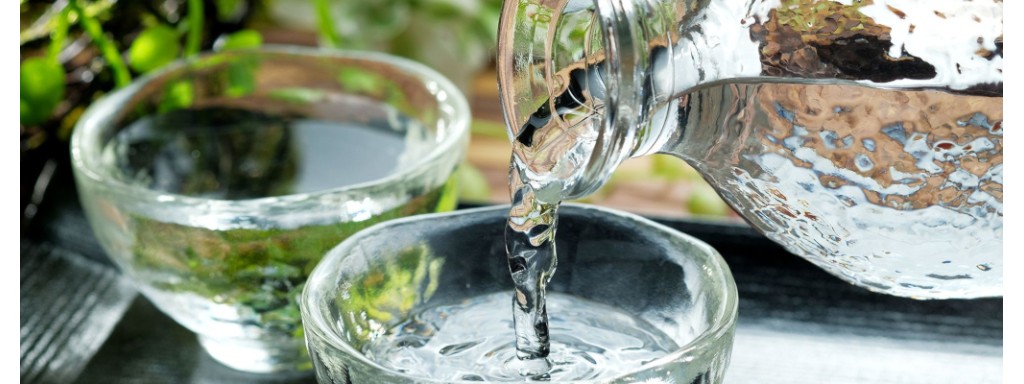
Sake is a traditional Japanese alcoholic drink produced through a fermentation process involving rice, water and koji spores. Although it is often referred to as ‘rice wine’, the production process is more similar to that of beer than to that of wine, and it is, in all respects, an alcoholic drink produced by fermentation.
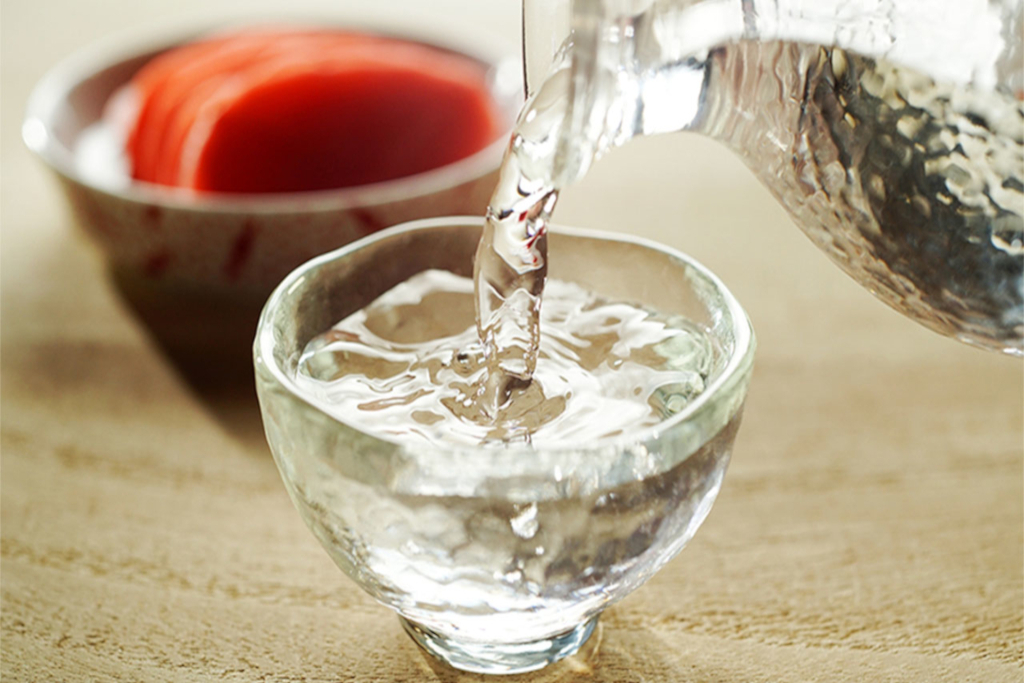
The sake production process takes around two months. After production, the sake is left to mature for between six months and a year before the producers release the final product onto the market. Every stage of the brewing process is carefully managed and influences the characteristics of the sake.
As with any great drink, making excellent sake starts with sourcing the finest ingredients. Sake is made from water and rice, with the help of key catalysts: yeast and koji spores. The koji spores are sprinkled over the rice to convert the rice starches into sugar, which is then consumed by the yeast to produce alcohol.
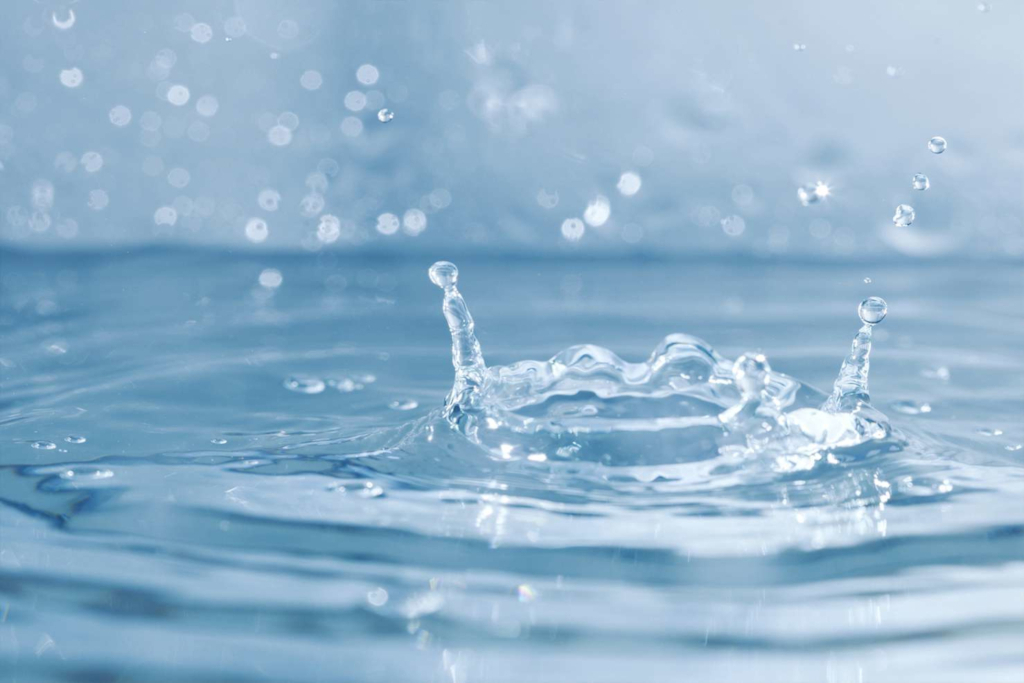
Acqua
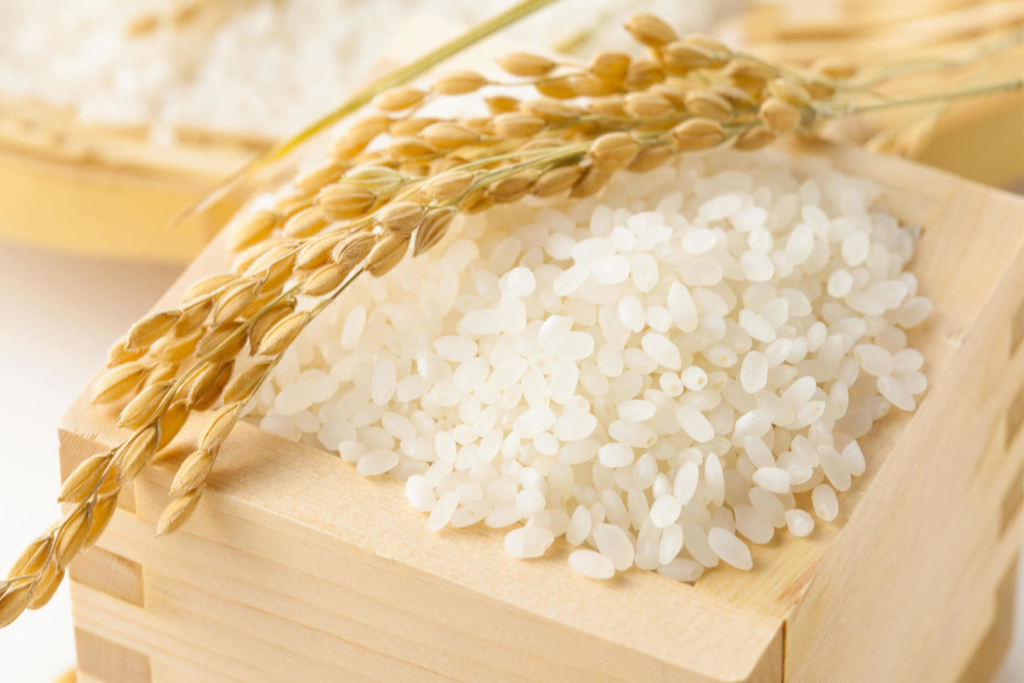
Riso
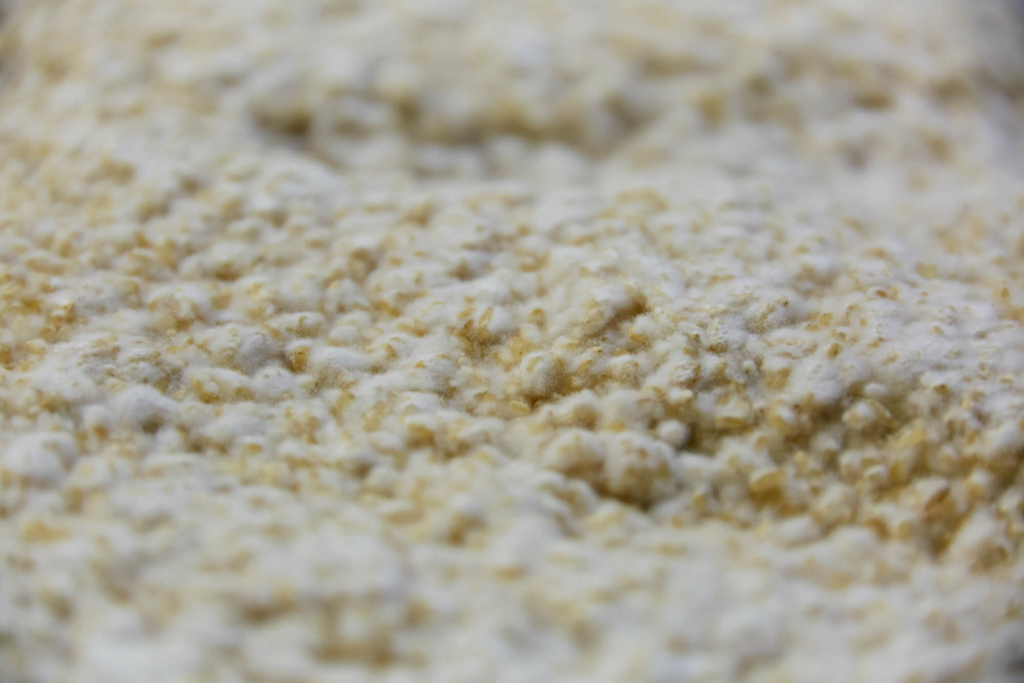
Koji
How sake is made
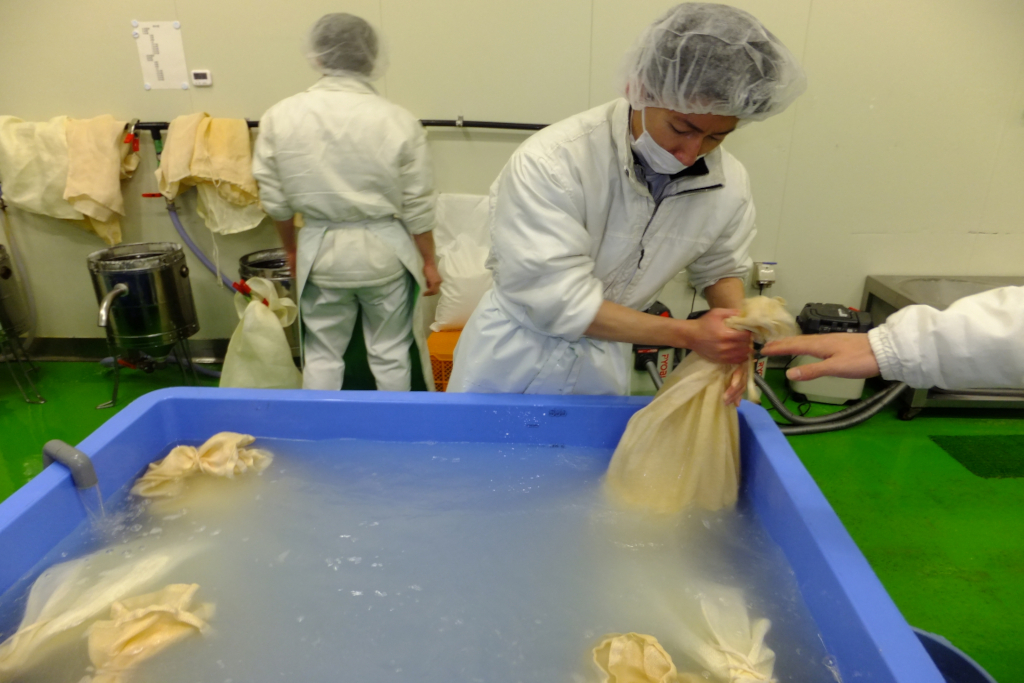
Washing and soaking the rice
Each batch involves a carefully measured quantity of rice that is washed and soaked in preparation for steaming. Whilst large breweries would normally measure, wash and soak the rice for production using various mechanical processes, some sake breweries use traditional sacks and tubs to wash the rice in order to achieve the perfect consistency, which is determined by the texture of the soaked rice and the master brewer’s expertise.
Rice polishing
The first step in making sake is to remove the outer layers of the rice. The polishing process in sake production involves removing the bran and germ from the grain. The outer layers of the rice grains contain fats, minerals and proteins that tend to create bolder flavours; therefore, the flavour of the sake is influenced by the amount of outer layer removed. Highly polished rice tends to produce a light sake with a delicate flavour, whereas less polished rice results in a more full-bodied sake.
Steaming
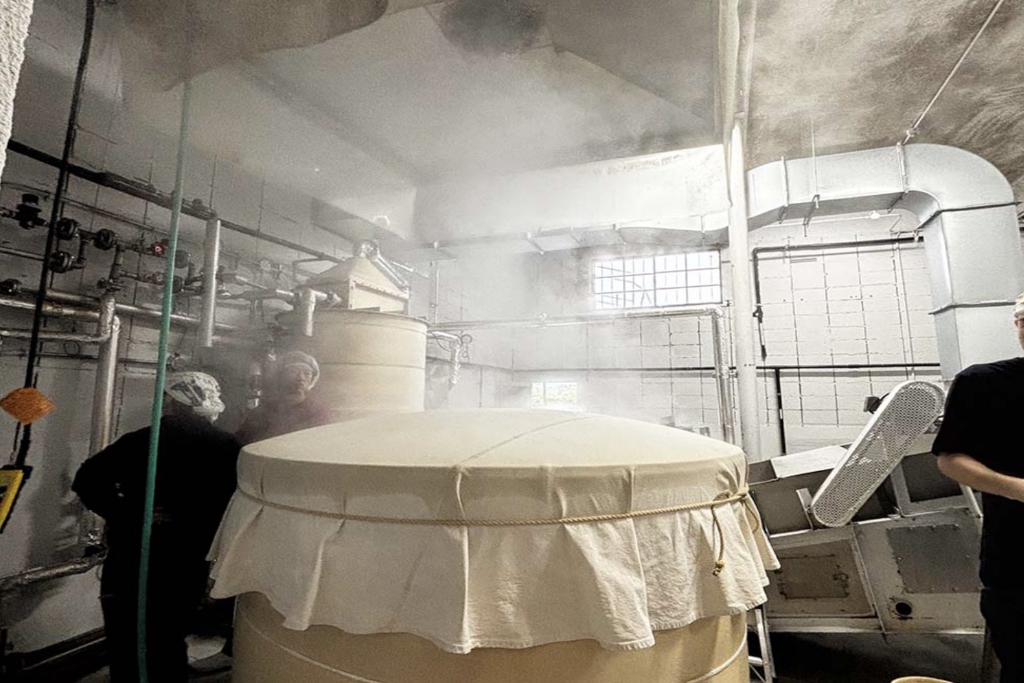
Once the rice has been washed and soaked, it is loaded by hand into the koshiki – a large rice steamer – where it is cooked for about an hour. Unlike table rice, which is typically boiled in hot water or in a rice cooker, sake rice is steamed, allowing it to retain a firm outer texture and a soft centre, thus facilitating the production process of the drink.
Cooling the rice
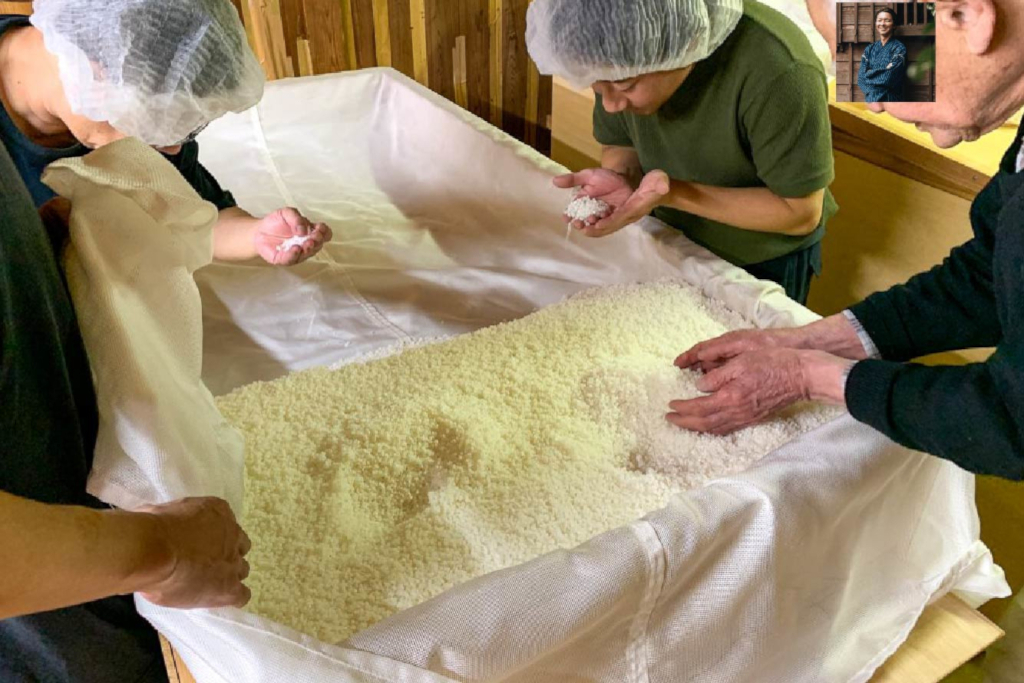
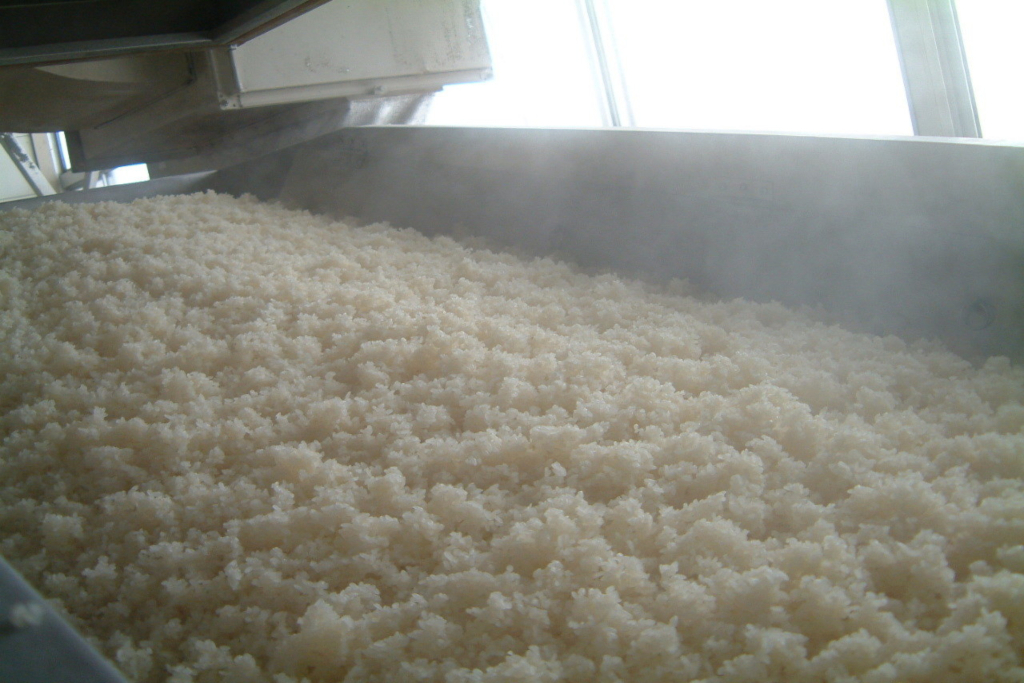
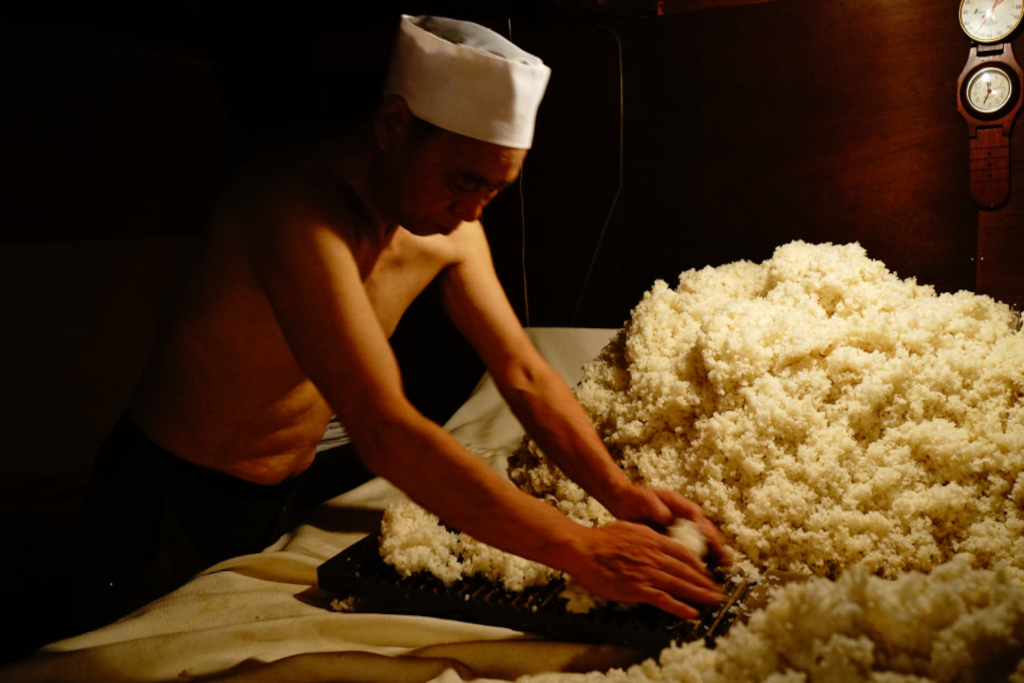
When the rice is removed from the steamer, it is very hot and must be cooled before being used in the subsequent stages of production. Whilst large commercial sake breweries use a refrigerated conveyor system to regulate the temperature of the freshly cooked rice, some breweries use traditional methods of tossing and kneading the rice to regulate the temperature, allowing the master brewer to assess the texture of the rice and decide how best to use it in the infusions.
Koji
The key ingredient in sake production is koji, which is rice that has been treated with the mould Aspergillus oryzae. The enzymes in koji help break down the rice starch into sugar and the proteins into amino acids. Koji also provides vitamins for the yeast during fermentation.
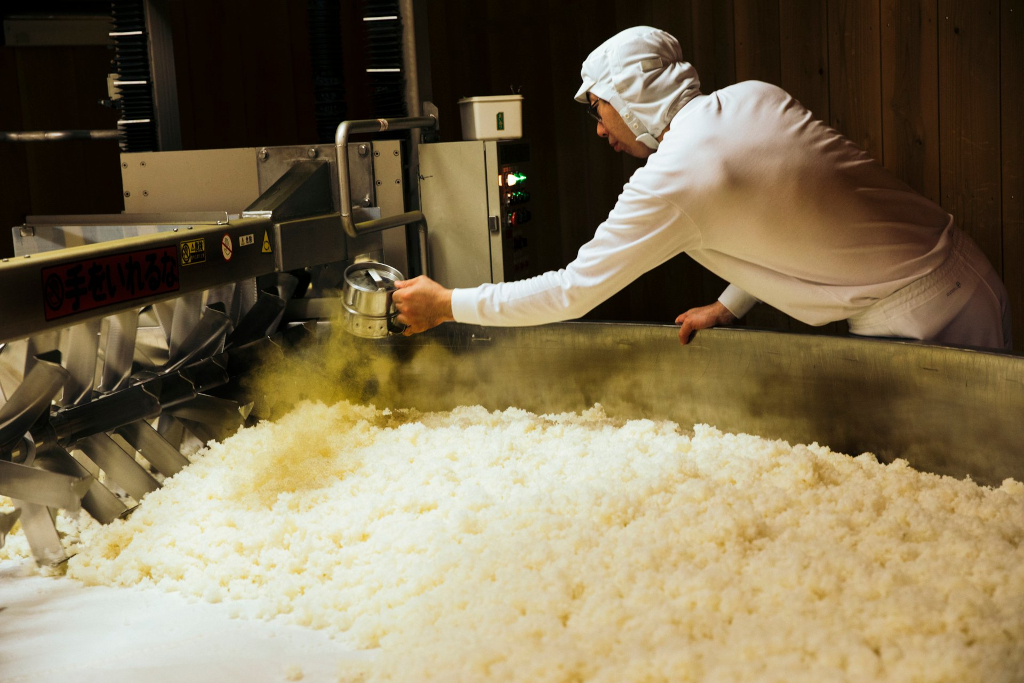
The first step in making koji is to sprinkle koji spores over the cooled rice and mix thoroughly. The spores germinate on the rice and spread their filaments across the surface and inside the grains. After about two days, the fungi will have covered the grains and the koji.
The koji production process takes place in a room known as a koji room. The temperature is maintained at around 30°C, with a humidity level of 50–80%. Koji grows best at around 36°C but becomes inactive above 45°C.
Fermentation
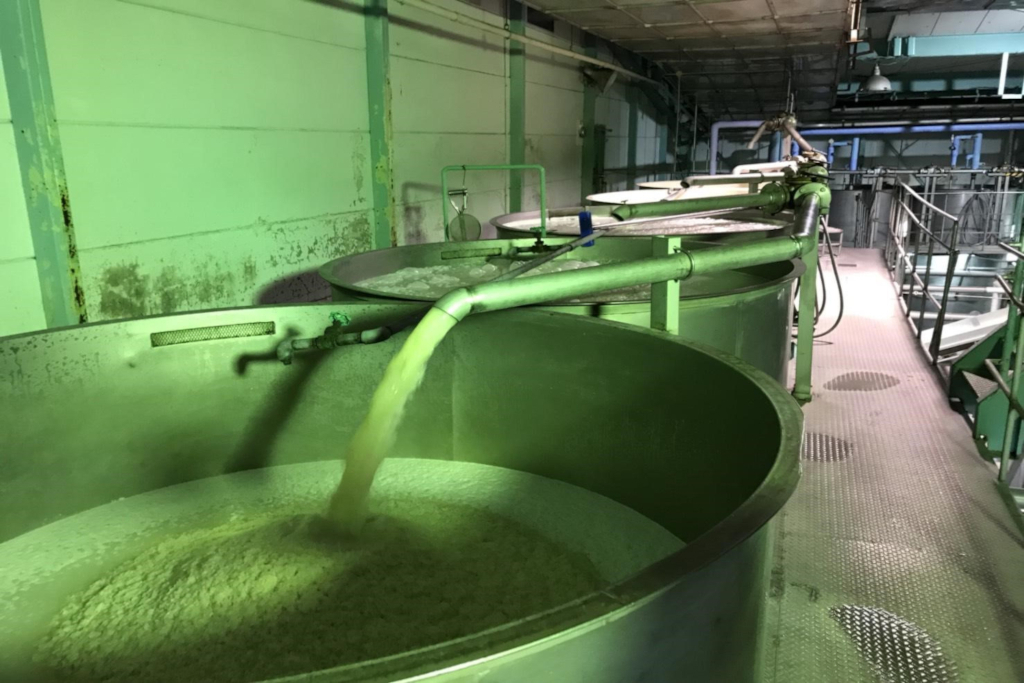
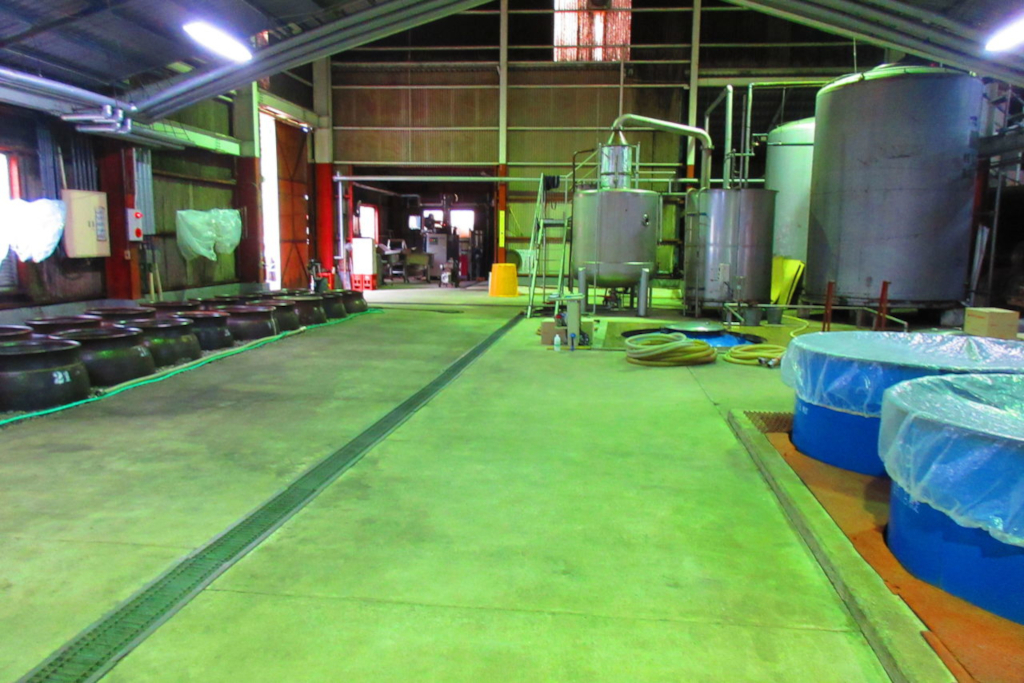
Once the koji is ready, it is time to start mixing it with cold water and yeast in a tank, before adding the steamed rice. The tank is filled gradually, in three stages over a period of four days. This allows the yeast to retain its vigour so that it can continue to consume sugar and produce alcohol throughout the fermentation period, which typically lasts for 21 days. The temperature of the fermentation tanks is meticulously controlled using cooling jackets, as the pleasant taste of the sake is enhanced by allowing the yeast to work at a low temperature ranging from 8 to 18 degrees, depending on the stage of fermentation. The moromi, or the resulting mixture, is carefully stirred by hand to ensure consistent fermentation.
The type of yeast used affects the resulting flavour and aroma of the sake. Historically, brewers had to rely on the wild yeast naturally present in their brewery.
Before the main fermentation, brewers prepared the starter culture, or shubo. Made by mixing steamed rice, koji, yeast and water, a relatively small portion of this mash becomes the site of active yeast cultivation. This then acts as the catalyst for the fermentation process in the main mash. It is very important to keep the shubo acidic to prevent the growth of unwanted microbes, and to do this it is necessary to cultivate lactic acid bacteria within the shubo itself or to add lactic acid directly. As the acidity and alcohol content in the starter culture increase, many of the microbes die off, leaving only the yeast alive. The way in which lactic acid enters the mash also affects the flavour of the sake.
Pressing and bottling
Once the moromi has finished fermenting, it is drained into cloth bags which are placed in a traditional press that operates using gravity and mechanical pressure applied by hand. The first pressing of sake begins to flow out of a spout at one end of the press due to the natural pressure of the full bags, resulting in a light, fruity first-press sake known as arabashiri.
Whilst large producers usually add activated charcoal to the pressed sake and then mechanically filter the batch, others simply draw off the pressed sake using siphon tubes, creating a 100% artisanal sake.
The way brewers classify the filtered liquid depends on when it was extracted during the filtration process: abarashiri refers to the liquid extracted during the first pressing, nakadori to the middle portion, and seme to the final portion. These portions are usually blended together, but in some cases they are bottled separately so that their distinct characteristics can be appreciated.
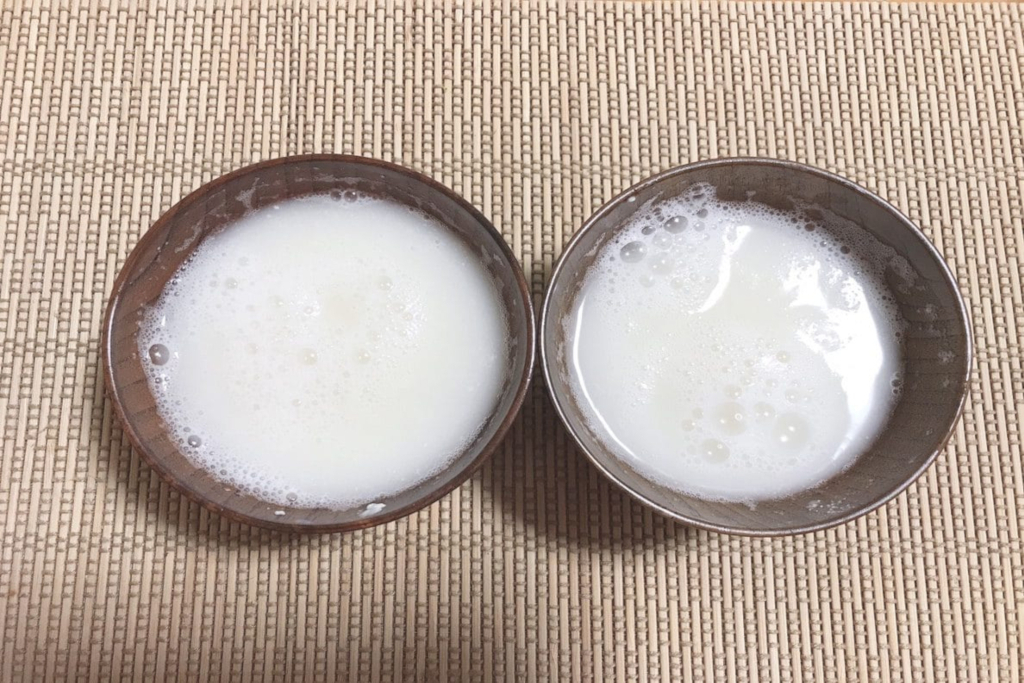
Another filtration method is coarse-mesh filtration, which allows some solids in the mash to pass through the filter, resulting in a cloudy nigori sake with varying degrees of cloudiness depending on the fineness of the mesh. The texture of nigori is thicker and creamier, with a sweeter taste.
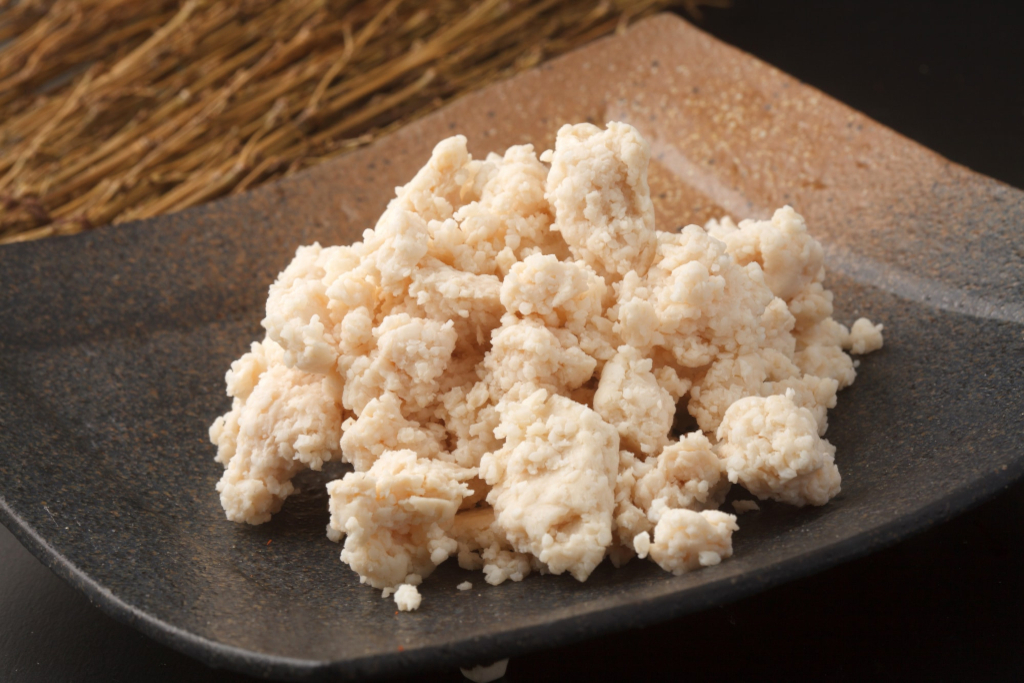
The filtration process produces undissolved solid residues of rice and yeast known as sake lees or sake kasu. Sake lees have an alcohol content of around 8%; they are highly nutritious and are sold to be eaten, used in cooking or pickled. Sake kasu is used as an ingredient in the production of shochu.
Post-filtration processes
Sedimentation
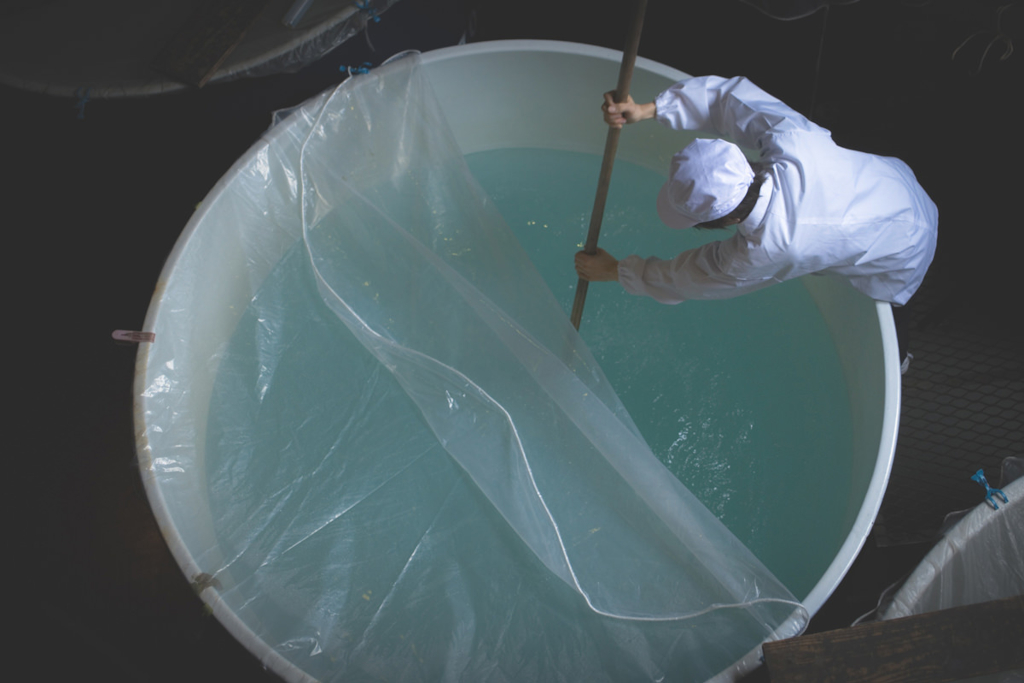
The first filtration process removes some solids, but the resulting liquid is still cloudy. To eliminate the cloudiness and thus produce a ‘clear’ sake, the first pressing undergoes a settling process known as orisage. After filtration, the liquid is kept at a low temperature for some time, causing the solids to sink; the brewers then remove the clear liquid and transfer it to another tank, a process known as oribiki.
Secondary filtration
After sedimentation, two further types of secondary filtration may be employed: the first involves the use of persimmon tannin or colloidal silica to remove excess proteins that might precipitate during storage and cause cloudiness. The second involves the use of activated carbon to remove colour and regulate the aroma, without altering the quality over time. Sake that does not undergo these secondary filtration processes, known as muroka, tends to have fuller flavours.
Alcohol content
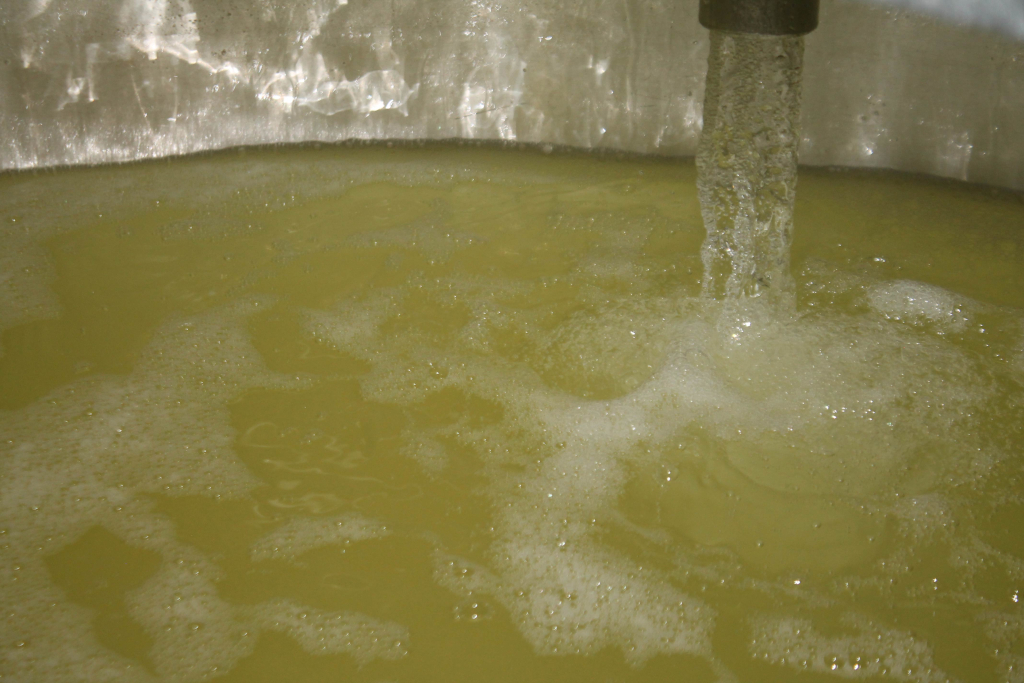
At this stage, the alcohol content of sake is high, ranging from 17% to 20%; however, brewers add water to reduce the alcohol content to around 15%. There are still some producers who sell undiluted sake (genshu).
Pasteurisation
The next step after sedimentation and secondary filtration is pasteurisation. The sake is heated to between 60°C and 65°C to sterilise it and deactivate the enzymes. Omitting this process results in a sweeter sake with a different aroma. Leading distribution and storage companies have enabled producers to sell unpasteurised sake. This sake, known as namazake, has a fresh and vibrant flavour that has made it increasingly popular in recent years.
Maturation
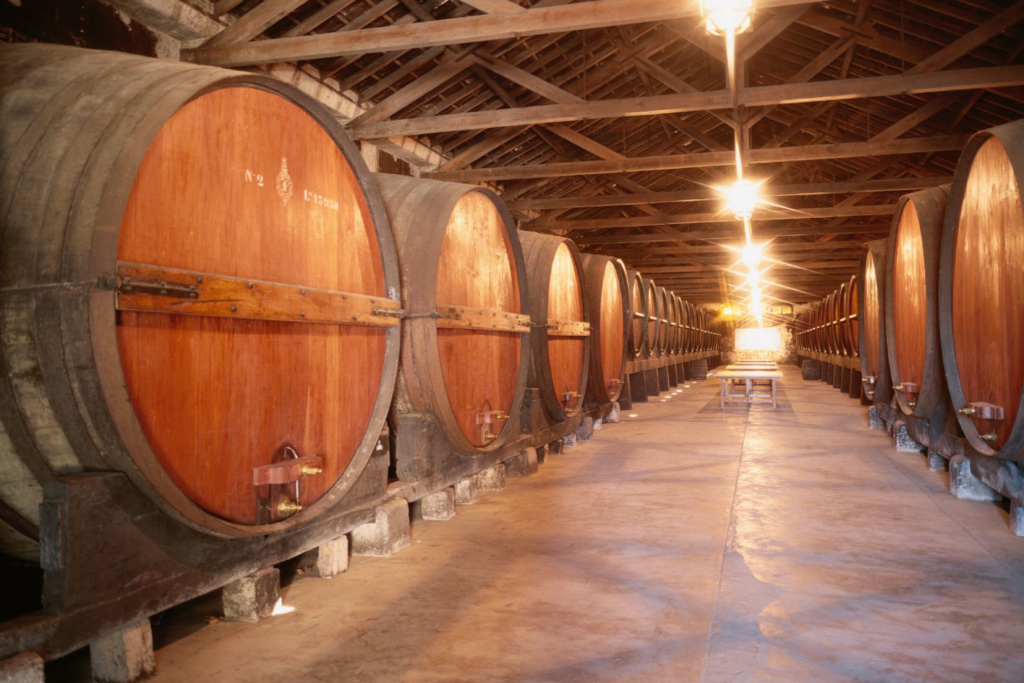
Pasteurisation often alters the aroma of sake and gives it an unrefined taste. Pasteurised sake is usually aged for up to a year to stabilise the flavours; in fact, brewers produce the sake during the winter, leave it to age throughout the summer, and release it onto the market the following autumn.
Bottling
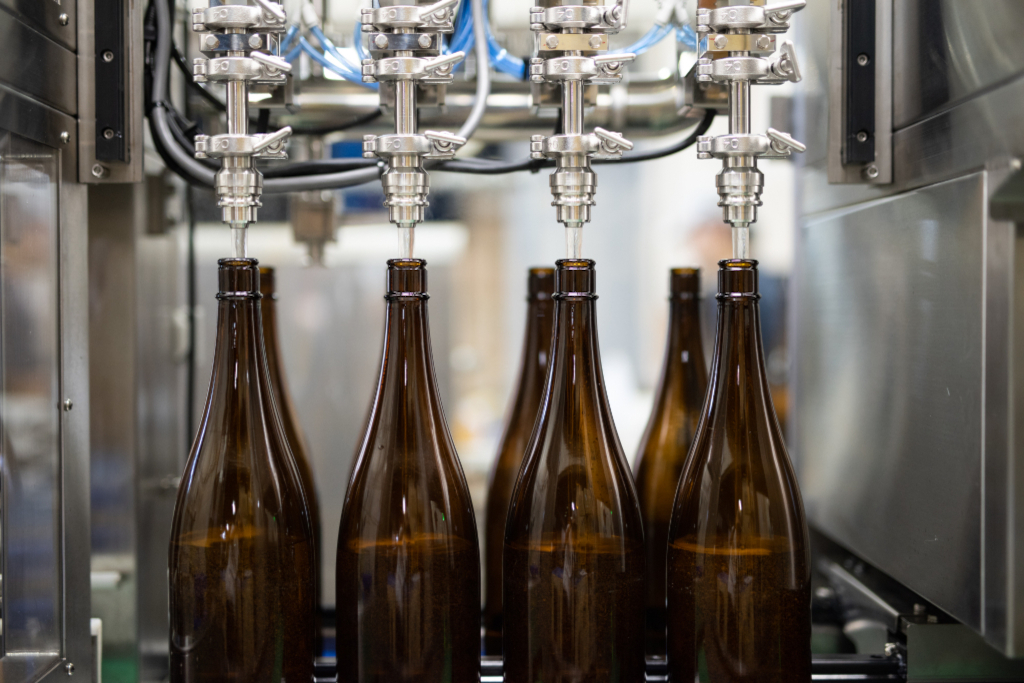
Once all the processes described above have been completed, the sake can be bottled immediately or temporarily stored in vats at a temperature of 0 degrees. Dark brown bottles are used for sake to protect it from ultraviolet rays, which can damage its flavour and appearance.
Prodotti citati nell’articolo
Una selezione Domechan collegata a questa guida.


