

Types of tofu: origin, flavour and ways to use it
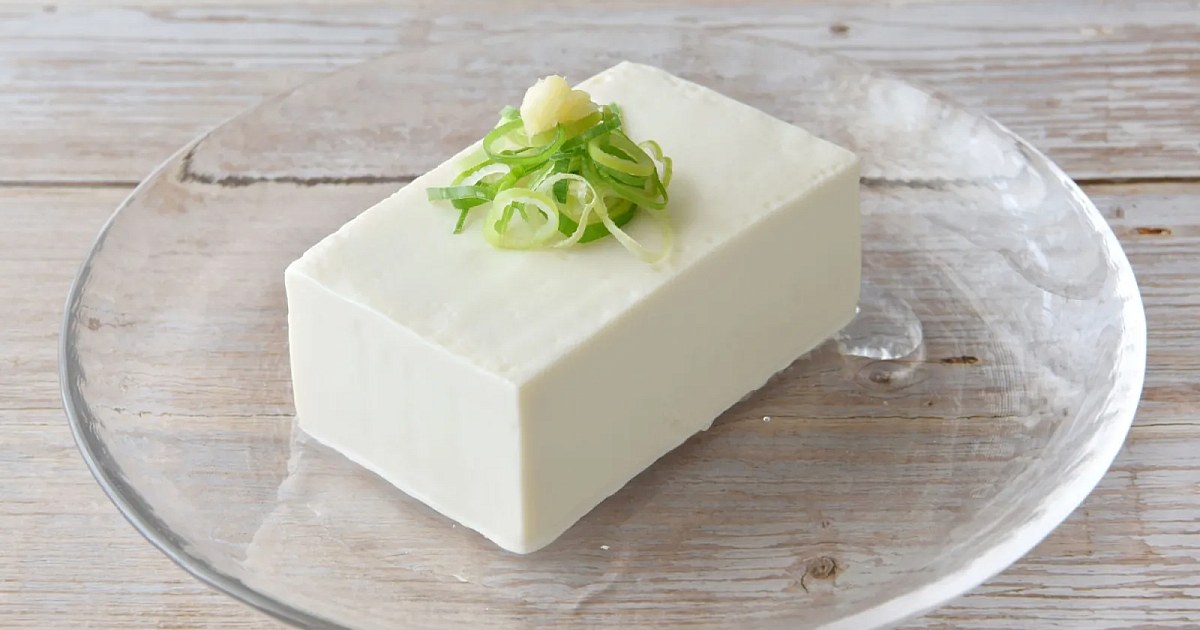
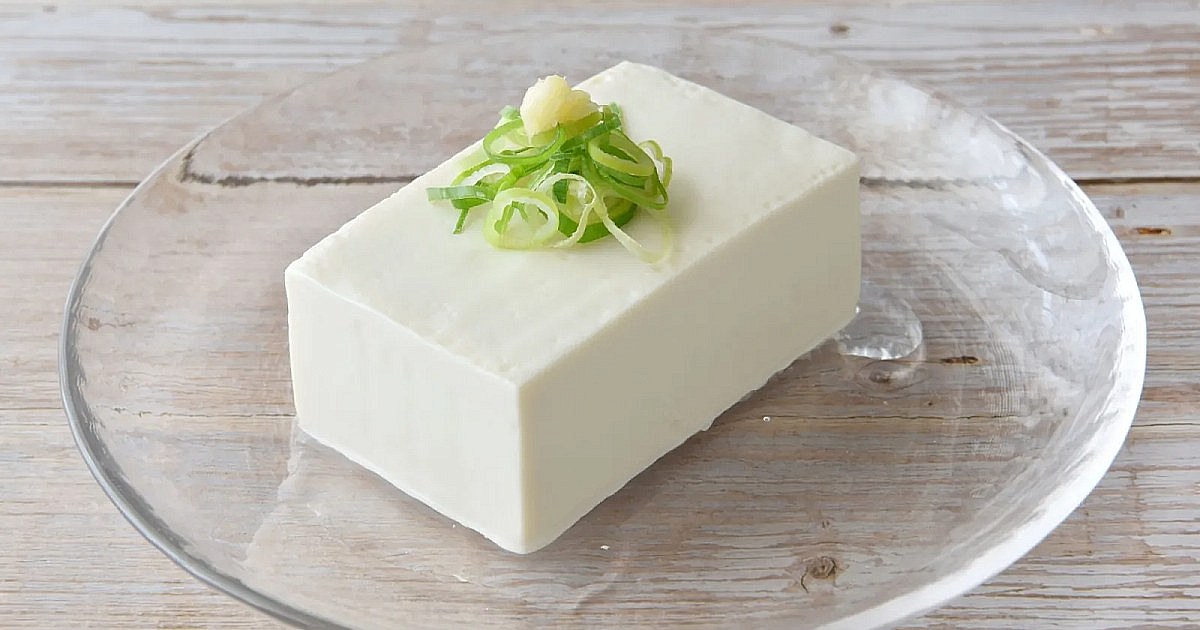
Tofu is a food that has come to play an important role in cuisines across the Far East, from China to Japan and Korea. Often referred to as ‘soya cheese’, tofu is produced by coagulating the liquid extracted from soya beans, a process very similar to the production of traditional cheese from milk. The result is a white block, with a soft or firm texture depending on the type, which, thanks to its neutral flavour, readily absorbs a wide range of flavours.
Introduction and dietary context
Tofu is a food that has come to play an important role in cuisines across the Far East, from China to Japan and Korea. Often referred to as ‘soya cheese’, tofu is produced by coagulating the liquid extracted from soya beans, a process very similar to the production of traditional cheese from milk. The result is a white block, with a soft or firm texture depending on the type, which, thanks to its neutral flavour, readily absorbs a wide range of flavours.
In Europe and Italy, tofu is becoming increasingly popular not only amongst vegetarians and vegans, but also amongst those looking for versatile ingredients to experiment with Asian-inspired recipes or plant-based protein alternatives. Its ability to be incorporated into both sweet and savoury dishes makes it a valuable addition for anyone wishing to enrich their diet with a light, protein-rich and versatile food. Furthermore, understanding the different types of tofu allows you to choose the one best suited to your intended use, from pan-frying and marinating to use in soups or desserts.
For those buying tofu, it is important to consider how it is stored – usually in water and in sealed packaging – which helps to preserve its freshness. Choosing high-quality tofu also involves understanding its origin and production method, factors which influence its flavour and texture. Understanding the background to tofu is therefore essential for making the most of its potential in the kitchen and for making informed choices when purchasing it.
Origin, history and spread
Tofu has ancient roots dating back to China, where it originated as a soya-based food. Its production is based on a principle similar to that of cheese-making: a liquid extracted from soya beans is coagulated to produce a solid substance, which is then pressed into compact blocks. This process has led to tofu being described as ‘soya cheese’ by analogy with dairy products.
Over the centuries, tofu has spread throughout various Far Eastern cultures, particularly in Japan and Korea, taking on local names and preparation methods, whilst always retaining its key characteristic as a versatile and almost flavourless food, capable of absorbing the flavours with which it is cooked.
In the West, the term ‘tofu’ derives from the Japanese language and has become the universally recognised name for this product. Its presence in European and American kitchens is relatively recent, but is growing steadily thanks to the increased focus on plant-based foods and those low in animal fats.
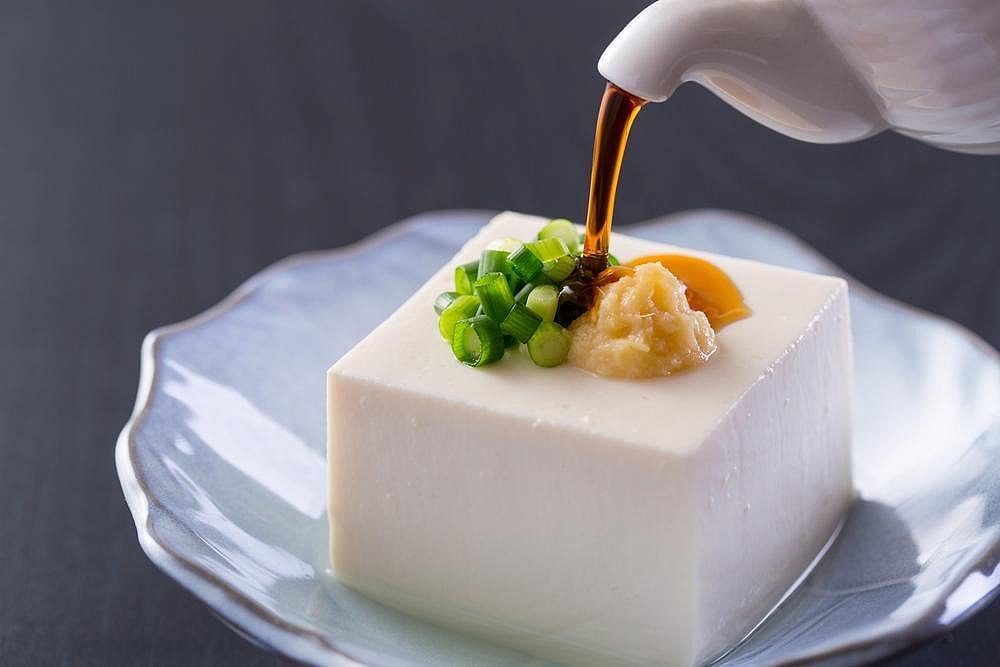
Traditional production uses soya beans, which are first soaked and then ground to extract a milky liquid; this is then curdled and pressed to produce a block of tofu. Its texture varies depending on the degree of pressing, ranging from soft tofu to extra-firm tofu, making it suitable for a variety of culinary preparations.
Tofu plays an important role in the diets of many Asian populations, who regard it as a staple food, rich in plant-based protein and with a very balanced nutritional profile. Its versatility in a wide range of recipes, from sweet to savoury, makes it a key ingredient in traditional East Asian cuisines and a food of growing interest to those following vegetarian or vegan diets in the rest of the world.
Ingredients, flavour and characteristics
Tofu is a soya-based food produced by coagulating soya milk and then pressing it into solid blocks. This process makes it similar to fresh cheeses, but with a unique nutritional profile and texture. The soya used is the source of its high protein content, making tofu a valuable substitute for animal protein in vegetarian and vegan diets.
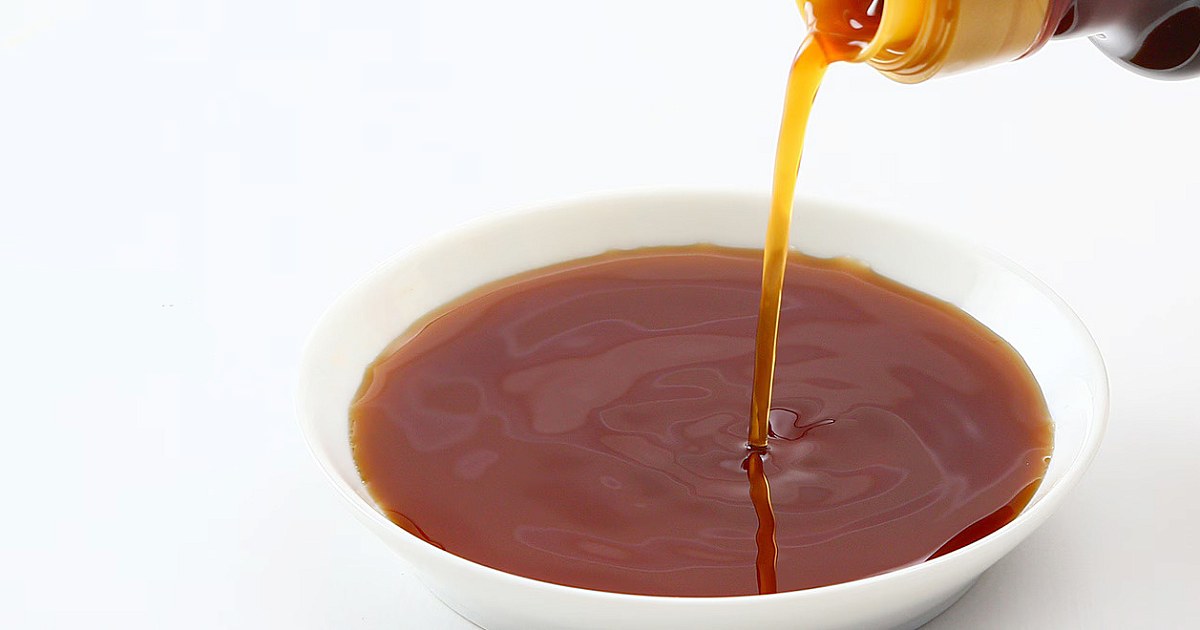
From an organoleptic point of view, tofu has a very delicate, almost neutral flavour, a characteristic that makes it extremely versatile in the kitchen. This near-neutral flavour allows tofu to absorb the taste of spices, sauces or other ingredients with which it is cooked, easily transforming it into a food with a thousand faces. For example, it can be marinated with herbs or soya sauce to develop a strong flavour, or used in sweet or savoury dishes without significantly altering the final taste.
There are several varieties of tofu, which differ mainly in terms of texture and moisture content. Soft, or silken, tofu has a velvety, creamy texture, making it ideal for smoothies, soups or spoonable desserts. Firm, or extra-firm, tofu is more solid and resilient, perfect for grilling or stir-frying without falling apart. The choice of tofu therefore depends on its intended culinary use. Some varieties may contain added ingredients to enhance the texture or flavour, but the base is always coagulated soya milk.
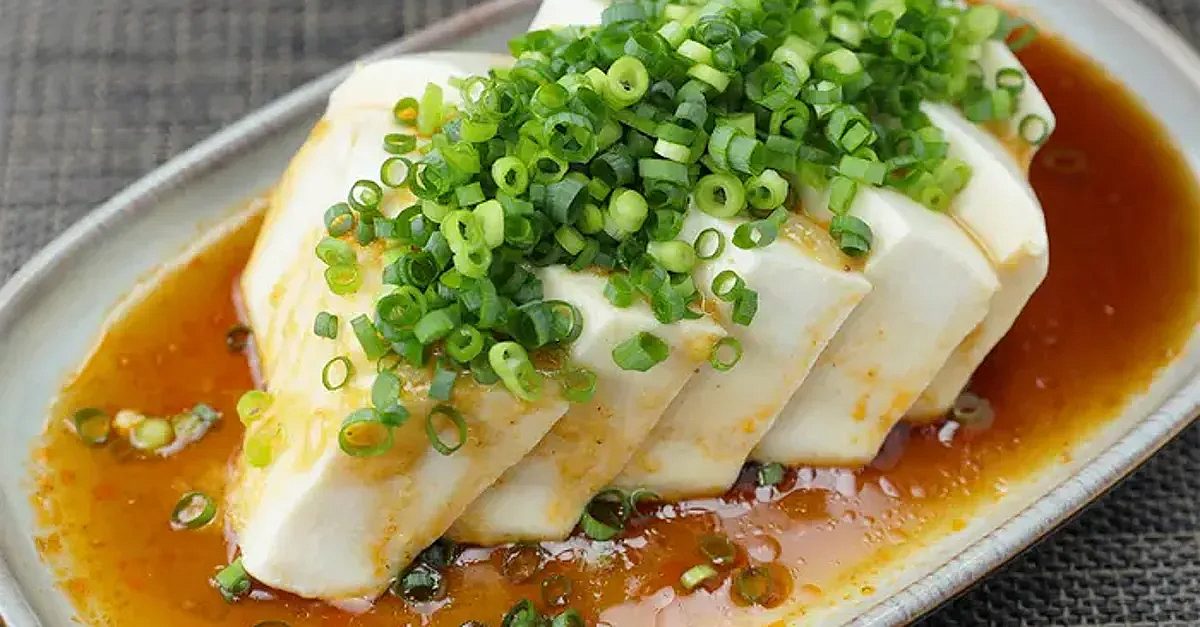
Compared with other plant-based protein alternatives, such as tempeh or seitan, tofu has a milder flavour and a more delicate texture. Tempeh, which is fermented and higher in fibre, offers a stronger flavour and a firmer texture, whilst seitan is made from wheat gluten and has a chewier, meat-like texture. Therefore, the choice between these options depends on the desired culinary result and personal preferences.
Culinary uses and pairings
Thanks to its versatile texture and neutral flavour, tofu lends itself to a wide range of culinary preparations, adapting easily to dishes from different culinary traditions. In cooking, it stands out for its ability to absorb the flavours of the ingredients it is cooked with, making it an ideal ingredient in recipes that include marinades, sauces or aromatic spices.
For example, soft or silken tofu is perfect for making creamy sauces, smoothies or desserts, whilst firmer tofu can be diced and stir-fried with vegetables or used as a base for vegetarian burgers. In Asian cuisine, tofu is often deep-fried or grilled to add a crispy texture, served with condiments such as soya sauce, ginger and garlic.
To make the most of its potential, it is important to consider the type of tofu when preparing it. Firm tofu, with its denser texture, absorbs seasonings better and is well suited to longer cooking times, such as in stews and braised dishes. Fresh tofu, on the other hand, is ideal for adding to cold dishes or salads, where it retains a delicate texture.
Recommended accompaniments include crunchy vegetables, whole grains such as rice or quinoa, and pulses, which, when combined with tofu, can create balanced and nutritious dishes. When it comes to spices, flavours such as turmeric, curry, black pepper and chilli significantly enhance the flavour of tofu, making it more rich and complex.
When using tofu in cooking, it is advisable to measure it out carefully according to the recipe to prevent any flavours from becoming too overpowering. For example, for a tofu-based main course, a portion of around 100–150 grams per person can ensure a good balance of nutrition and flavour.

Finally, tofu can be stored in the fridge submerged in water, changing the water daily to keep it fresh for longer, and it can be frozen to alter its texture, resulting in a spongier product that is ideal for absorbing seasonings more effectively during cooking.
Preparation, storage and tips
Tofu lends itself to a wide range of cooking methods that highlight its versatility in the kitchen. Before cooking it, it is a good idea to remove excess water by gently pressing the block with a weight for a few minutes, especially in the case of soft or silken tofu, to prevent it from releasing too much moisture during cooking. To preserve its neutral flavour, it is advisable to marinate it for at least half an hour in soya sauce, spices or herbs, so as to enrich its flavour.
When used in recipes such as soups or stews, tofu can be cut into cubes and added during the final few minutes of cooking to retain its texture. For a crispier result, the tofu can be breaded and deep-fried or pan-fried over a medium-high heat until it is evenly golden brown on all sides.
As for storage, fresh tofu should be kept in the fridge submerged in clean water, changing the water daily to keep it moist and fresh for up to a week. Sealed, pre-packaged tofu, on the other hand, can be kept in the fridge until the date shown on the packet. If you buy too much tofu, you can freeze it: the freezing process changes its texture, making it spongier and firmer, which is ideal for dishes such as stews or grilled dishes.
A common mistake is to cook tofu straight away without draining off the excess water, which can make dishes too watery and less flavourful. Furthermore, it is important to consume tofu within the recommended time frame to prevent bacterial growth, given that it is a fresh and highly perishable product.
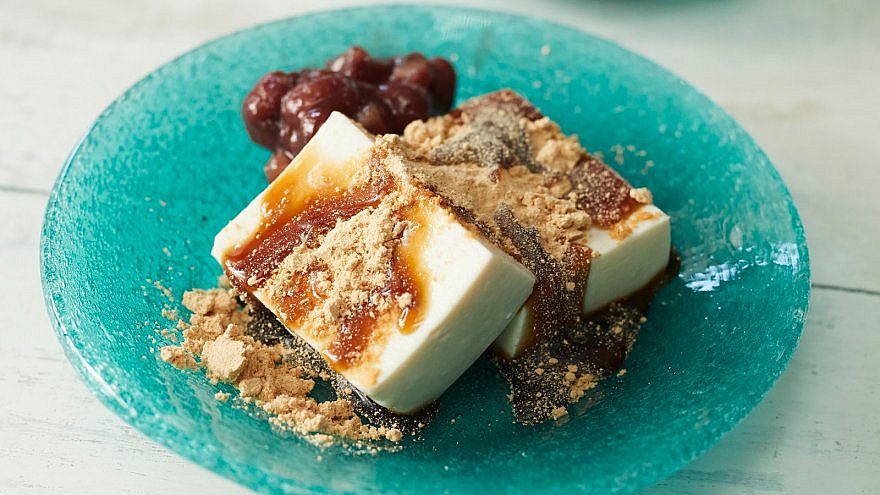
Finally, when buying tofu, it is a good idea to read the label carefully to check for additives or preservatives and to opt for high-quality organic or artisan products, ensuring they are made from non-GM soya for a more informed and healthier choice.
How to choose the right product
When deciding to buy tofu, it is essential to consider how you intend to use it in the kitchen. Tofu comes in various textures, ranging from soft to very firm, and this characteristic has a significant impact on the final result of the dish. For example, soft or ‘silken’ tofu is ideal for creamy dishes such as smoothies, desserts or velvety soups, whilst firm tofu is better suited to grilling or stir-frying without falling apart.
As well as texture, it is important to assess the quality of the product. Buying fresh tofu, preferably packaged in a way that ensures optimal preservation, helps to keep its flavour and nutritional properties intact. It is advisable to check the label carefully, ensuring that the list of ingredients is limited to soya, water and natural coagulants, and avoiding unnecessary additives and preservatives.
There are various sizes available: from whole blocks, which allow you to cut portions to size, to pre-portioned pieces, which are often handy for quick meals. Choosing the right size can make preparation and storage at home easier. To store tofu in the best possible way, it is advisable to keep it submerged in fresh water in the fridge, changing the water daily if it is not eaten straight away.
Finally, taking the origin of the tofu into account can be helpful for those looking for artisan or organic products, thereby favouring more traditional and natural production methods. Making an informed purchase therefore involves understanding the differences in texture, reading labels carefully and considering the intended culinary use, so that you always choose the tofu best suited to your needs.
Frequently Asked Questions
What is the main difference between soft and firm tofu in cooking?
Soft tofu, often referred to as ‘silken’ tofu, has a creamy consistency and is ideal for dishes such as soups, sauces or desserts where a smooth texture is desired. In contrast, firm tofu is denser and lends itself well to stir-frying, grilling or deep-frying, as it retains its shape and absorbs seasonings and marinades more effectively.
How can I store fresh tofu to keep it in the best possible condition?
Fresh tofu should be stored in the fridge submerged in clean water, which must be changed daily to maintain freshness and prevent bacterial growth. If it is not consumed within a few days, it can be frozen, although the texture will change, becoming spongier and more suitable for different dishes.
Is it true that tofu goes well with many different flavours? How can I season it effectively?
Yes, tofu has a very neutral flavour, which makes it extremely versatile. To add flavour, it’s important to marinate it in spices, sauces or aromatic stocks for at least half an hour. Furthermore, cooking methods such as grilling or frying help to lock in the flavour, giving it a crispy exterior and a more pronounced taste.
What criteria should I bear in mind when choosing tofu in the shop?
When buying tofu, it is essential to read the label to check for additives or preservatives. Organic or artisanal tofu is often preferable if you are looking for a more natural product. Furthermore, checking the use-by date and the type of packaging helps to ensure freshness and quality.
Can tofu be eaten raw, or does it always need to be cooked?
Tofu can also be eaten raw, especially if it has been stored properly and comes from reliable sources. It is commonly added to salads or smoothies. However, cooking it improves food safety and makes it easier to digest, as well as bringing out its flavour.
What are the best food pairings for tofu?
Tofu goes perfectly with fresh or stir-fried vegetables, and sauces made with soya, ginger and garlic. It’s also excellent in spicy dishes such as curries or Asian cuisine in general. For a balanced meal, it can be paired with whole grains such as rice or quinoa, thereby making the most of its protein content.
Prodotti citati nell’articolo
Una selezione Domechan collegata a questa guida.


