

Kōdō: symbols, tradition and meaning
Kōdō is a refined Japanese spiritual practice that emphasises the appreciation of incense as a sensory and cultural experience steeped in deep tradition. Originating in the 14th century, this ritual is characterised by a complex set of behaviours and rules that govern the way in which incense is used and perceived, transforming the act of lighting incense into a moment of meditation and respect for nature and inner harmony.
Introduction and significance
Kōdō is a refined Japanese spiritual practice that emphasises the appreciation of incense as a sensory and cultural experience steeped in deep tradition.Originating in the 14th century, this ritual is characterised by a complex set of behaviours and rules that govern the way in which incense is used and perceived, transforming the act of lighting the incense into a moment of meditation and respect for nature and inner harmony.
It is not simply a matter of burning incense, but a genuine symbolic language that brings together history, art and spirituality in a setting that invites contemplation and inner silence. In the Kōdō, Every element – from the tools used to the techniques for diffusing the aroma – is regarded as an integral part of a tradition that cultivates sensitivity and refinement.
Although this practice is less well known in contemporary Japanese society, it forms part of the three classical arts of great refinement, alongside the cha no yu(the tea ceremony) and the art of flower arranging, highlighting its role in Japanese culture. Through ritualised activities such as the Kumiko and the Genjikō,KōdōIt invites you to compare and recognise different fragrances, fostering an inner dialogue and a connection with the surrounding environment that goes beyond mere olfactory perception.
Preserving this art means keeping alive a sense of sacredness and respect, where incense becomes a vehicle for deeper meanings, a bridge between the material and spiritual worlds, enriched by a history that has its roots in medieval Japan and continues to inspire those seeking a moment of tranquillity and introspection.
Historical and cultural origins
Kōdō, the refined Japanese art of incense, has its roots in a historical and cultural context dating back to the 14th century. This practice is not merely a practical use of incense, but represents a fully codified ritual that combines spirituality, aesthetics and contemplation. Over the centuries, Kōdō has been regarded as one of the three classical arts of refinement in Japan, alongside the tea ceremony (Cha no yu) and flower arranging (Ikebana).
The origins of Kōdō are closely intertwined with the import of fragrances from mainland Asia, particularly from China and India, lands where the use of incense has a long religious and cultural tradition. In Japan, incense was adopted and adapted with particular attention to its symbolic and ritual significance, elevating its practice to a unique sensory and spiritual experience. The structure of Kōdō involves the use of specific tools and a series of codified ritual behaviours, designed to foster a deep connection with nature and the present moment.
Among the many practices associated with Kōdō, particular note is taken of fragrance-comparison games, such as Kumiko and Genjikō, which invite participants to identify and appreciate the subtle differences between various types of incense. These moments are not merely an olfactory exercise, but an opportunity for cultural exchange and respect for tradition. Although it represents a cultural heritage of great value, Kōdō is less well known amongst modern Japanese people today, whilst nevertheless retaining a prominent place amongst enthusiasts of classical culture and traditional Japanese spirituality.
Understanding the origins of Kōdō means recognising its role within the fabric of Japanese culture, where every gesture and every aroma carries a deeper meaning, bearing witness to a journey that unites the history, philosophy and aesthetic sensibility of a people.
Symbols, values and interpretations
Kōdō is not only an aesthetic practice but also a deeply symbolic form of spiritual and cultural communication. The use of incense in this context goes beyond mere fragrance; it embodies a connection between humankind and the transcendent, a ritual that invites contemplation and inner calm. Through the refined incense ceremony, each aroma becomes a messenger that evokes landscapes, seasons or moods, making the experience multisensory and intimate.
The choice of a particular type of incense or blend is not random, but reflects specific values and intentions. For example, some fragrances may symbolise purity, whilst others evoke peace or the memory of ancestors. This ritual aspect implies a deep respect for tradition and nature, where every stage of the ceremony is codified to maintain balance and harmony with the environment and with oneself.
Practices involving the comparison of incense, such as the Kumiko and Genjikō games, represent a social and cultural dimension, but also serve as a meditative exercise that develops one’s sense of smell and capacity for discernment. Through these games, one learns not only the subtle differences between fragrances, but also the values of patience, mindfulness and mutual respect, which are fundamental to Japanese philosophy.
It should also be emphasised that the instruments used in Kōdō are regarded as true works of art, carefully crafted and rich in symbolism, just as is the case in the tea ceremony (cha no yu). These objects, in addition to their practical function, serve as a bridge between the material and the sacred, offering a further reminder of the ephemeral beauty and spiritual depth of the experience.
Finally, although Kōdō is one of the three classical arts of Japanese refinement, it remains a little-known practice amongst the younger generations today; yet it continues to embody values of respect, balance and connection with nature and the soul, making it a cultural heritage of great significance and spiritual depth.
Use, ritual and contemporary practice
In modern-day Japan, Kōdō continues to represent an art form that transcends the mere use of incense, keeping a centuries-old tradition alive through refined and codified rituals. Although less widespread than more popular practices, Kōdō is often practised in private settings or in dedicated cultural venues, where the preparation and enjoyment of incense become a moment of meditation and reverence.
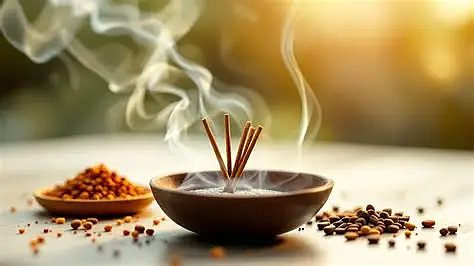
Kōdō rituals are based on a symbolic language that requires attention and sensitivity: every gesture, from lighting the incense to contemplating its aroma, is performed according to precise rules that reflect the history and philosophy of this discipline. For example, during sessions of Kumiko – a traditional game involving the recognition of different fragrances – participants develop a deep connection with natural elements and with themselves, taking this practice beyond a mere sensory experience.
The contemporary practice of Kōdō also requires an attitude of cultural respect, which is reflected in the careful handling of the refined instruments and in adopting a composed demeanour that celebrates tranquillity and introspection. This respect affirms the spiritual value of incense and of the shared moment, distinguishing Kōdō from a purely decorative or commercial use of incense.
In some modern ceremonies, Kōdō is combined with other traditional Japanese arts, such as the tea ceremony and calligraphy, to form a ritual journey that engages multiple senses and cultural aspects. For example, at certain cultural gatherings, green tea tastings alternate with Kōdō sessions, offering a holistic experience in which the scent of incense helps to focus the mind and evoke a sense of harmony.
For those approaching this art today, it is important to understand that Kōdō is not merely a daily habit, but a ritual that invites a moment of contemplation, requiring time, dedication and an attitude of humility. Respect for its origins and the manner in which it is practised is essential to preserving its authenticity and spiritual value.
Its presence in Japanese culture
Kōdō, often described as the art of incense appreciation, holds a prominent place in Japan’s spiritual and cultural tradition. This practice, which developed in the 14th century, is not merely the burning of fragrances: it is a refined ritual involving a series of tools and codified behaviours, similar to those used in the tea ceremony (cha no yu).
The symbolic significance of incense extends to everyday life and festive occasions, where the use of its fragrance helps to create an atmosphere of respect and contemplation, accompanying moments of meditation or social gathering. For example, during certain traditional ceremonies or celebrations, Kōdō is practised with the aim of purifying the environment and fostering mental concentration, thereby nurturing a connection with spirituality.
As well as its ritual aspect, this art also involves engaging recreational activities such as Kumiko, a game that involves recognising and comparing different incense fragrances, and genjikō, a form of scented poetry that links scent to classical literary themes. These practices offer a way to refine one’s sense of smell and to immerse oneself in a millennia-old tradition that celebrates the fleeting beauty of fragrance.
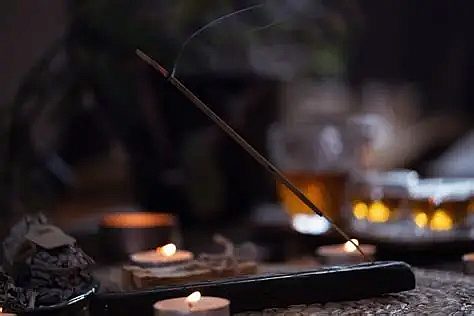
Despite its deep historical roots, Kōdō remains largely inaccessible to contemporary Japanese people, who often have only a superficial understanding of it. However, in venues dedicated to the preservation of the classical arts and at selected cultural events, the art of incense continues to be appreciated as an expression of elegance and spirituality, highlighting the respect for the past and the attention to detail that characterise Japanese culture.
How to approach the subject with respect
Entering the world of Kōdō requires a particular sensitivity, as this ancient Japanese art is not merely a way of appreciating the aromas of incense, but a genuine spiritual journey rooted in centuries of tradition. Before embarking on the practices of Kōdō, it is essential to recognise the cultural depth and symbolic value that incense represents, and to avoid viewing it simply as a decorative object or a pleasant scent.
A practical tip is to find out about the origins of the materials and the utensils used during ceremonies, as these elements form an integral part of the ritual. For example, as in the tea ceremony, the utensils used are works of art in their own right, and understanding their history helps to foster an attitude of respect and awareness.
Taking part in guided sessions or events organised by Kōdō experts can be a valuable way to immerse oneself in the authentic context without running the risk of misinterpreting the symbolism or the proper way to practise it. During these sessions, paying attention to the unwritten rules of behaviour – such as calmness, silence and concentration – is essential to honouring the spirit of the ritual.
Furthermore, it is important to avoid superficial approaches or merely imitating the outward appearance of these practices without understanding their deeper meaning. Rushing through the process or using incense merely as a decorative element can rob this highly refined spiritual experience of its meaning.
Finally, in keeping with tradition, it is worth recognising that Kōdō remains, for many Japanese people, a little-known yet highly cherished art; therefore, a humble and inquisitive approach, accompanied by a constant desire to learn, is the best way to honour this millennia-old practice and to experience it in an authentic and meaningful way.
Frequently Asked Questions
What is the spiritual significance of Kōdō in Japanese culture?
Kōdō is a ritual of contemplation and profound respect for nature and the fleeting beauty of existence. Through the refined practice of appreciating incense, it encourages meditation on the transformations of life, symbolised by the slow diffusion of the fragrance into the air. Each fragrance evokes sensations and memories, stimulating an inner journey of harmony and awareness.
In what ways does Kōdō reflect the Japanese tradition of the classical arts?
Kōdō is regarded as one of the three traditional arts of refined Japanese culture, alongside the tea ceremony and ceramics. Its practice has been codified since the 14th century and is based on a rigorous code of conduct that emphasises delicacy, balance and purity. Kōdō ceremonies make use of artistic implements and are accompanied by activities that refine the sense of smell, thereby integrating aesthetics and spirituality.
What are the most important rituals during a Kōdō ceremony?
The Kōdō ceremony involves moments of careful preparation, during which specific types of incense are selected and special tools are used to burn it gently. Among the main rituals are aroma-comparison games, such as Kumiko and Genjikō, which stimulate memory and the power of observation. Every movement is performed with respect and deliberation, emphasising the spiritual connection with the very essence of the incense.
How is cultural respect demonstrated in the practice of Kōdō?
Kōdō requires an attitude of humility and meticulous attention to every detail, from handling the tools to perceiving the aroma. This respectful behaviour is rooted in Japanese tradition, which values harmony between humankind and nature. Taking part in a Kōdō ceremony therefore means honouring these cultural roots, recognising the importance of calm, precision and mindfulness in living in the present moment.
What is the difference between Kōdō and other incense-related rituals in Asia?
Although many Asian cultures use incense in their spiritual rituals, Kōdō stands out for its codified structure and its aesthetic dimension, which combines art and play. Unlike more widespread practices, Kōdō incorporates olfactory competitions and the use of refined instruments, thereby elevating the experience to a genuine cultural and philosophical discipline, rather than a mere ritual act.
What practical advice can be given to those who wish to take up Kōdō?
For those wishing to take up Kōdō, it is essential to approach it with patience and respect for tradition. It is advisable to begin by familiarising yourself with the different types of incense and the tools used, as well as by practising traditional techniques such as Kumiko. It is also important to create a peaceful environment free from distractions, so that you can fully appreciate the subtlety of the aromas and develop a deep awareness of the present moment.
Prodotti citati nell’articolo
Una selezione Domechan collegata a questa guida.


