


Ponzu sauce: origins, flavour and uses
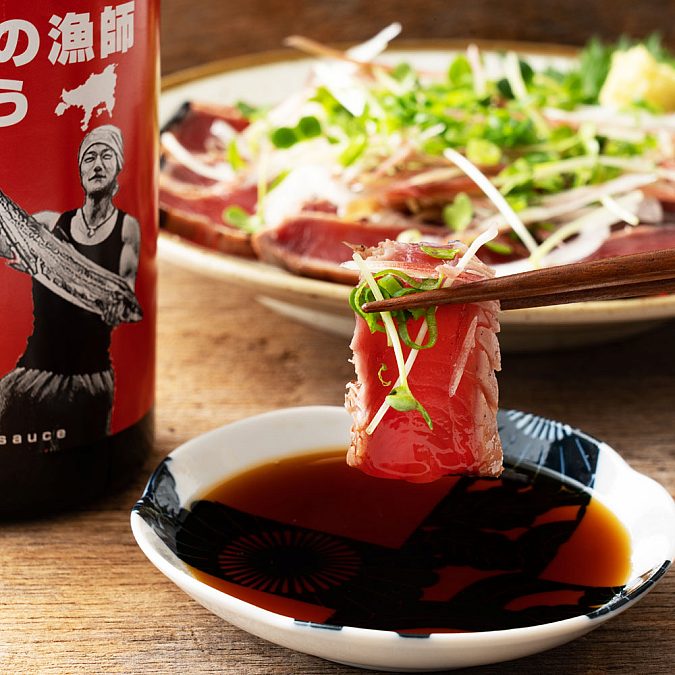
Ponzu sauce holds a special place in Japanese culinary tradition, serving as a versatile and refreshing condiment that enhances a wide range of dishes. Its balanced flavour, characterised by a blend of citrus and umami notes, makes it a valuable ingredient for those wishing to enrich their dishes without overloading them with fat or calories. Often used as an accompaniment to tataki, a method of preparing lightly seared meat or fish, ponzu adds a pleasant acidity that balances the richness of the protein.

Introduction and dietary context
Ponzu sauce holds a special place in Japanese culinary tradition, serving as a versatile and refreshing condiment that enhances a wide range of dishes. Its balanced flavour, characterised by a blend of citrus and umami notes, makes it a valuable ingredient for those wishing to enrich their dishes without overloading them with fat or calories. Often used as an accompaniment to tataki, a method of preparing lightly seared meat or fish, ponzu adds a pleasant acidity that balances the richness of the protein.
In addition to its traditional role, ponzu sauce lends itself to a wide range of uses, such as a condiment for nabemono – Japanese hot pots – where it helps to bring out the complex flavours typical of these warm, convivial dishes. Its composition, based on fermented citrus fruits and soy sauce, makes it particularly popular with those who love intense yet balanced flavours, offering a fresh alternative to richer or sweeter sauces.
When it comes to making informed purchasing decisions, choosing a high-quality ponzu sauce means looking for authentic ingredients and natural fermentation processes, which preserve the sauce’s flavour and texture and ensure a genuine product. For amateur and professional chefs venturing into Japanese cuisine, understanding and using ponzu is a key step in enhancing dishes featuring fish, vegetables or meat, adding a distinctive and refined flavour without adding excessive calories.
Origin, history and spread
Ponzu sauce has deep roots in Japanese culinary tradition, where it has been prized for centuries for its unique and versatile flavour. Originally, this sauce was made by combining citrus fruits with soy sauce, creating a slightly tangy and aromatic condiment that pairs perfectly with fish and vegetable dishes.
In Japan, ponzu is particularly popular as an accompaniment to tataki, a cooking method that involves briefly searing meat or fish whilst keeping the inside raw. It is also an essential sauce in nabemono dishes – Japanese hotpots in which fresh ingredients are cooked together in a shared pot – where its fresh, citrusy flavour enhances the overall taste.
The popularity of ponzu sauce has spread far beyond Japan’s borders, becoming a recognisable and much-loved staple in fusion and international cuisine. In many restaurants serving Asian-inspired dishes, the sauce is offered as a lighter alternative to thicker, oilier sauces, enhancing delicate ingredients without overpowering them.
From a terminological point of view, the term ‘ponzu’ probably derives from the combination of the Dutch word ‘pons’ (referring to a citrus-based alcoholic drink) with the Japanese character ‘zu’ (vinegar), highlighting the cultural influence and local adaptation of this dish. This etymological link also reflects the nature of the sauce, which combines a balanced blend of tangy freshness and savoury depth.
Ingredients, flavour and characteristics
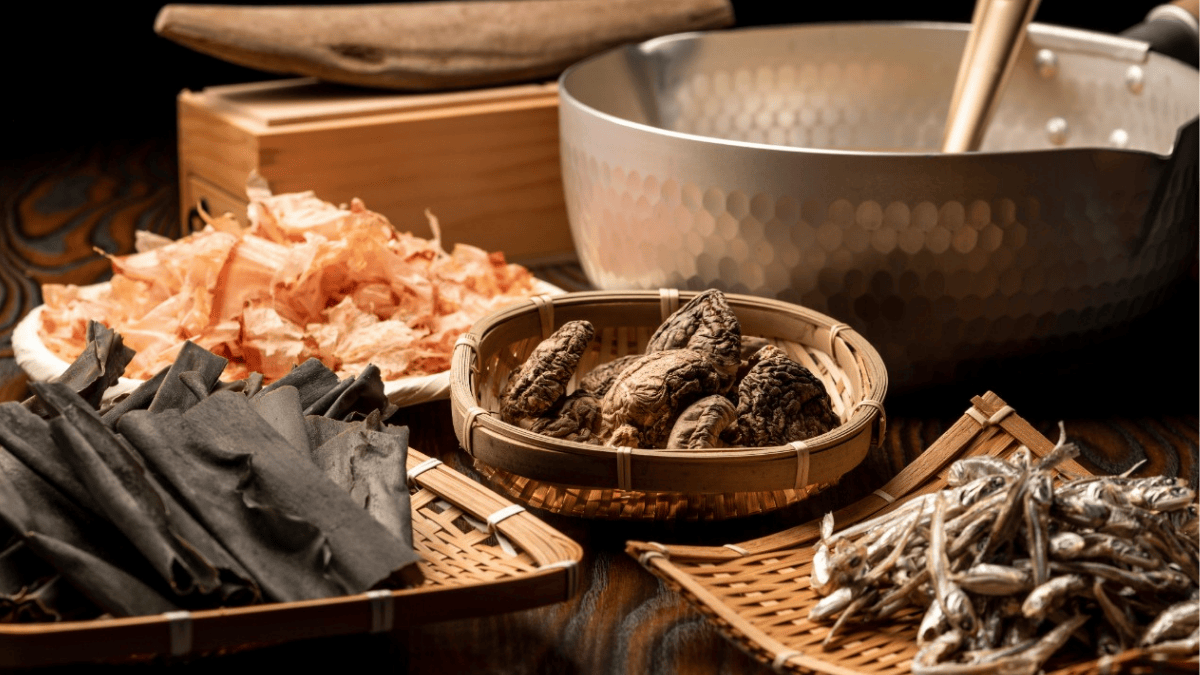
Ponzu sauce is distinguished by its unique composition and complex flavour profile, which balances freshness and savouriness. The main ingredients are primarily citrus juices such as yuzu, sudachi or lemon, which give the sauce a delicate and refreshing tartness. To these are added soy sauce and rice vinegar, which contribute salty and slightly fermented notes, whilst dashi stock, often made from kombu seaweed and katsuobushi (dried bonito flakes), lends depth and umami to the sauce.
Ponzu generally has a light, runny consistency, similar to a light vinaigrette, making it ideal for dipping food or for adding flavour to dishes without overpowering them. It lacks the thickness of creamy, thick sauces, so it pairs well with delicate dishes.
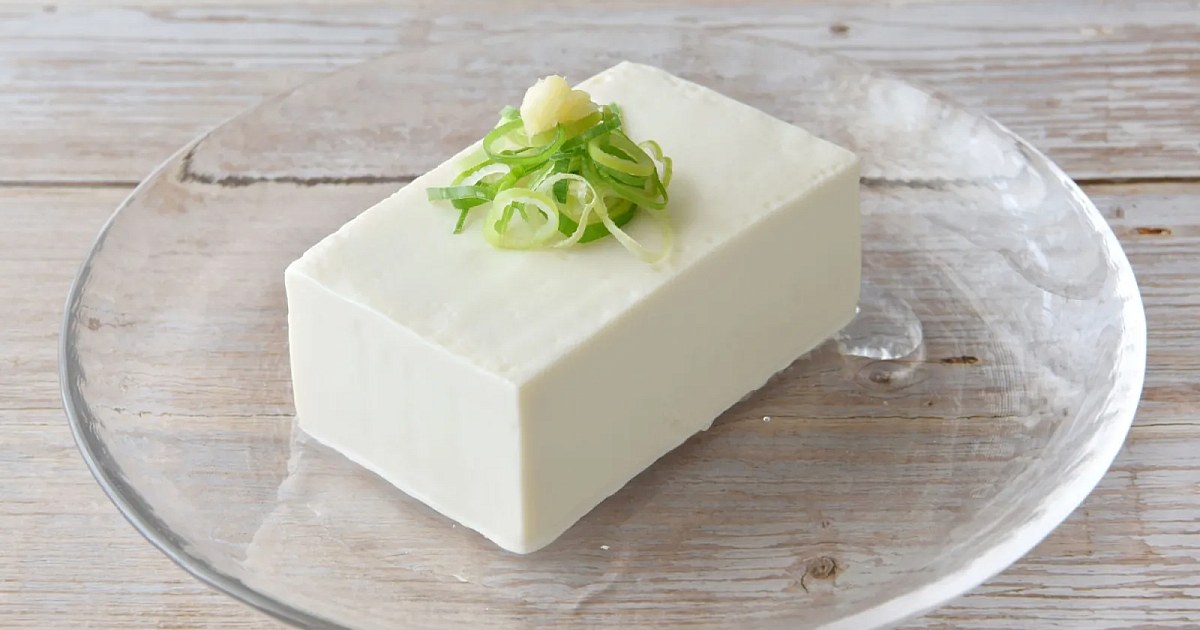
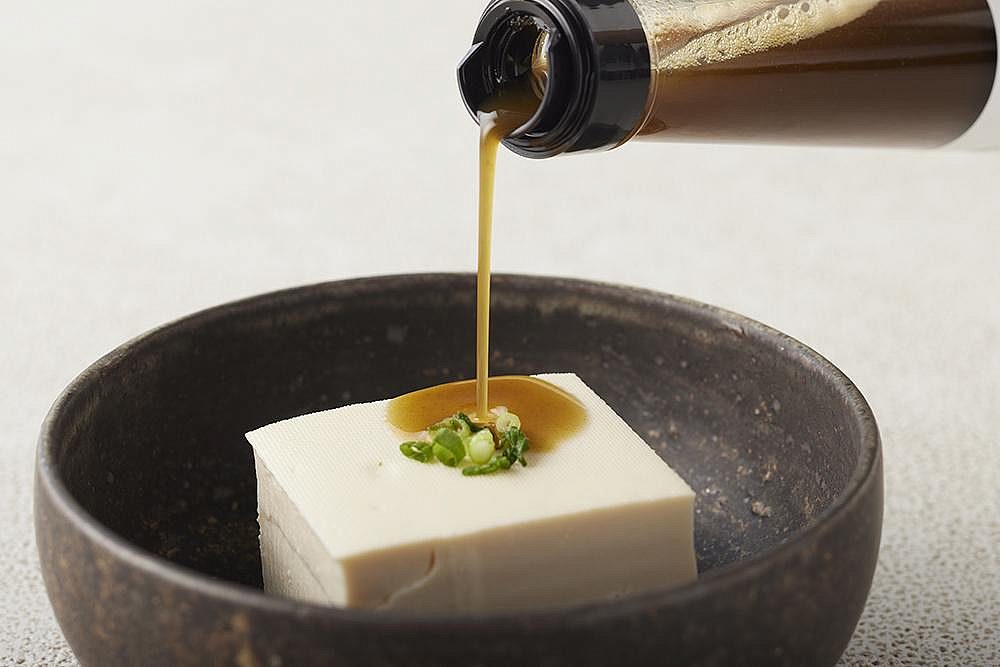
There are many variations of ponzu; some include mirin for a touch of sweetness, whilst others feature ginger or chilli to add a personal twist. This versatility makes the sauce ideal for a wide range of dishes, from sashimi to tofu, and from salads to grilled meat dishes.
Compared to similar condiments such as plain soy sauce or tamari, ponzu offers greater flavour complexity, with a distinct citrus note combined with a salty, umami-rich aftertaste that stimulates the palate without being overpowering. This makes it a favourite choice for those seeking a balance between acidity and savouriness without sacrificing lightness.
From a nutritional point of view, ponzu is generally low in calories, whilst citrus fruits provide vitamins – particularly vitamin C – and natural antioxidants, contributing not only to the flavour but also to a healthier profile compared to sauces that are higher in sugar or fat.
Culinary uses and pairings
Ponzu sauce is distinguished by its balance of acidity and savouriness, characteristics that make it a versatile condiment in Japanese cuisine and beyond. It is often used to accompany dishes such as tataki, a dish of meat or fish that is lightly seared on the outside and raw in the centre, where its freshness brings out the delicate flavour of the ingredients.
As well as tataki, ponzu is an ideal condiment for nabemono, namely Japanese soups cooked directly in a pot on the table, where it is used as a dipping sauce to enrich the broth with deep, citrusy notes. Its blend of citrus and soy sauce helps to balance rich, hot dishes, providing a refreshing contrast.
It can also be used in salads and cold dishes, where ponzu can replace or complement other, richer dressings, adding a tangy note that stimulates the palate without being heavy. In Western cuisine, ponzu can be used as a light marinade for white meat or fish, or as a tangy element in innovative sauces and dressings.
When using ponzu, it is best to use it sparingly to prevent its strong flavour from overpowering the main ingredients. A small amount – for example, one teaspoon per serving – is enough to add character without masking the other flavours.
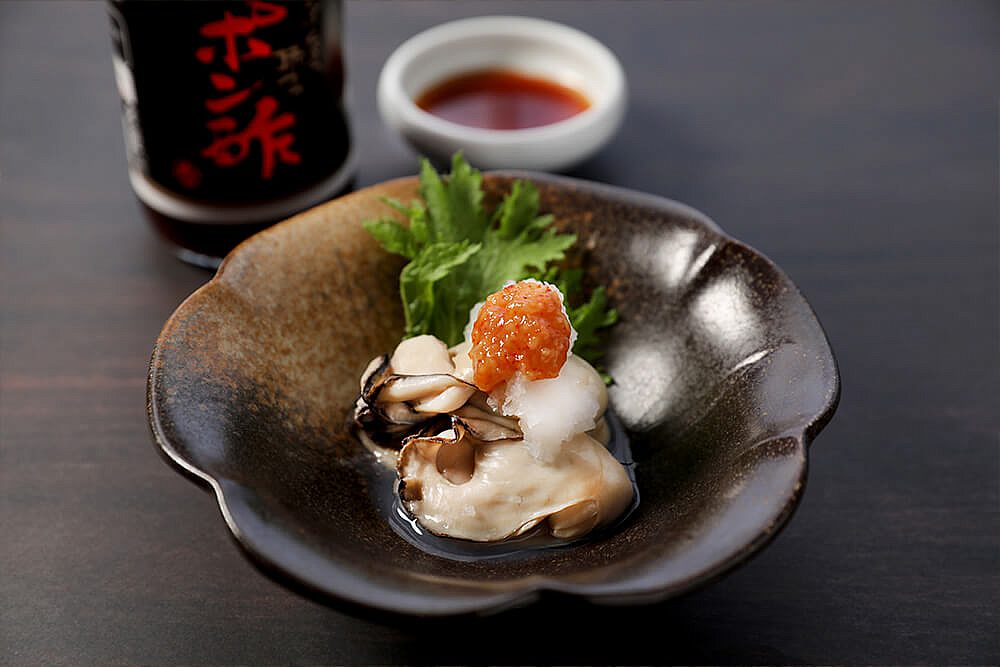
When it comes to food pairings, ponzu goes particularly well with raw fish, shellfish and leafy vegetables, whilst its acidity makes it the perfect accompaniment to fried dishes, balancing out their richness. It can also be used to flavour cold or hot noodles, enhancing the dish without making it too heavy.
Preparation, storage and tips
To make ponzu sauce at home, it is essential to use fresh, high-quality ingredients, such as freshly squeezed citrus juice, soy sauce and, occasionally, rice vinegar. The mixture must be thoroughly combined and then left to rest in the fridge for a few hours to allow the flavours to blend harmoniously.
When storing ponzu sauce, it is best to keep it in an airtight container in the fridge, where it will keep for up to two weeks without losing its flavour and aroma. Avoiding exposure to heat or direct light helps to preserve its taste and freshness for longer.
A common mistake when using ponzu is to use it in dishes that require prolonged cooking, as the intense heat can alter its flavour profile and the delicate citrus notes. It is best to add it at the end of cooking or use it as a raw dressing to enhance dishes such as fish tataki, salads, or vegetable and tofu dishes.
When it comes to food safety, it is important to ensure that all ingredients, particularly the soy sauce and citrus juice, have been stored correctly before use. Furthermore, checking the appearance and smell of your homemade ponzu sauce from time to time helps to prevent you from consuming products that may have gone off.
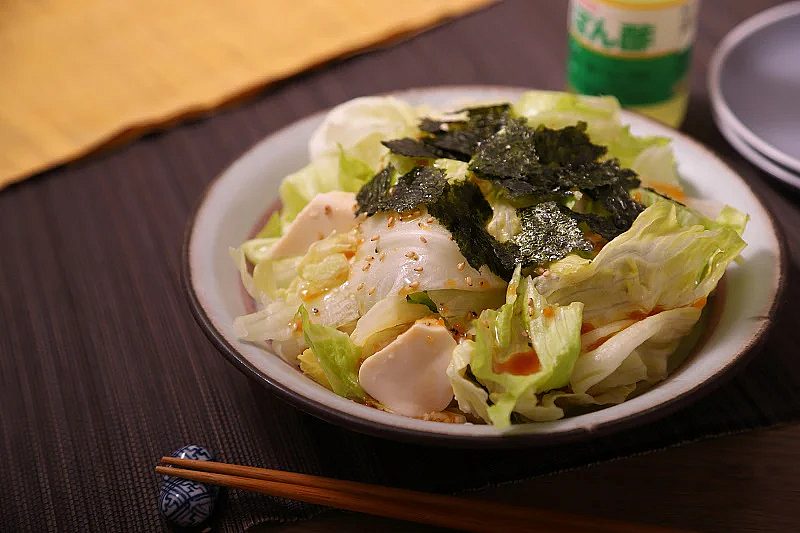
To use it effectively, we recommend using ponzu sparingly due to its intense and slightly tangy flavour, which may overpower other flavours if used in excess. Finally, experimenting with different varieties of citrus fruit, such as yuzu, lemon or lime, can lead to personalised versions of this traditional Japanese sauce, allowing you to adapt it to your own tastes and favourite dishes.
How to choose the right product
When deciding to buy Ponzu sauce, it is essential to carefully consider a number of factors to ensure an authentic and satisfying culinary experience. First of all, the size of the bottle can affect how long it keeps and how it is used: for those who cook only occasionally, a small bottle is ideal for maintaining freshness and flavour, whilst those who use it frequently might opt for larger bottles.
The quality of Ponzu sauce depends largely on the ingredients used. Products that clearly state they contain fresh citrus fruits such as yuzu, sudachi or kabosu, along with naturally fermented soy sauce, offer a richer flavour profile that is more faithful to Japanese tradition. It is advisable to read the label carefully to check for the absence of artificial additives and preservatives and to ensure that it does not contain any unwanted allergens.
The intended use is another factor to consider: some varieties of ponzu are better suited as a dressing for dishes such as tataki or nabemono, whilst others have a more delicate flavour, ideal for salads or light marinades. Taking these characteristics into account helps you choose the sauce best suited to your culinary needs without wasting any.
Finally, it is advisable to follow the storage instructions on the packaging. As Ponzu sauce is a fermented condiment, it retains its properties best if kept in the fridge after opening and consumed within the timeframe specified by the manufacturer, to prevent any change in taste and texture and to ensure food safety.
Frequently Asked Questions
What organoleptic characteristics make ponzu sauce unique?
Ponzu sauce is characterised by its balance of tart and salty flavours, achieved by combining fresh citrus fruits, such as yuzu or lemon, with soy sauce. This blend offers a refreshing and slightly tangy taste, making it ideal for enhancing delicate dishes without overpowering them.
What are the best ways to use ponzu sauce in cooking?
Traditionally, ponzu sauce is served with raw fish dishes such as sashimi or tataki, but it also works well as a dressing for salads, grilled vegetables and white meats. Furthermore, it is perfect as a dipping sauce for tofu dishes or for enhancing the flavour of light soups such as nabemono.
How should ponzu sauce be stored to preserve its flavour profile?
Once opened, ponzu sauce should be stored in the fridge in a tightly sealed container to prevent oxidation. Thanks to its natural acids, it can remain stable for several weeks, but it is best to use it within a month to ensure optimal freshness and flavour.
Can I make ponzu sauce at home? What are the essential ingredients?
Yes, homemade ponzu sauce requires just a few key ingredients: citrus juice (such as yuzu, lemon or lime), soy sauce and rice vinegar. Some recipes also include mirin or kombu to enhance the flavour. By making it yourself, you can adjust the acidity and savouriness to suit your own taste.
What are the differences between ponzu sauce and other Japanese sauces such as teriyaki or plain soy sauce?
Ponzu is characterised by its citrusy and slightly tangy flavour, whereas teriyaki sauce is sweeter and more caramelised due to the addition of sugar or mirin. Plain soy sauce has a more direct salty and umami flavour profile, without any citrus notes, making ponzu more versatile for fresh, light dishes.
How do you choose a good-quality ponzu sauce when shopping?
When choosing a good ponzu sauce, it is important to check that it contains no artificial additives and to opt for products made with natural citrus fruits and traditionally fermented soy sauce. It is also advisable to read the labels to avoid excessive amounts of sugar or preservatives, thereby ensuring you get an authentic and healthy product.
Prodotti citati nell’articolo
Una selezione Domechan collegata a questa guida.


