Hanami in everyday life: ideas and tips
Every year, with the arrival of spring, Japan is transformed into a natural stage of rare beauty thanks to the spectacle of the sakura, the famous cherry blossoms. This season not only marks a rebirth of nature, but is also a true ritual in everyday life, influencing lifestyles and social customs.
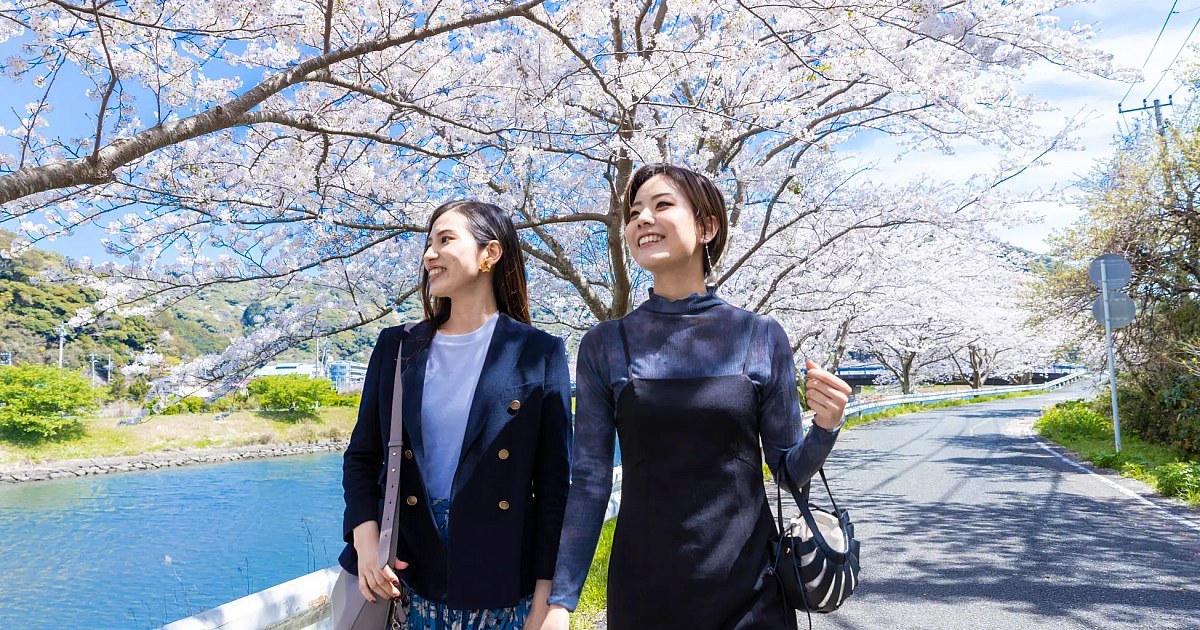
Introduction and lifestyle context
Every year, with the arrival of spring, Japan is transformed into a natural stage of rare beauty thanks to the spectacle of the sakura, the famous cherry blossoms. This season not only marks a rebirth of nature, but is also a true ritual in everyday life, influencing lifestyles and social customs.
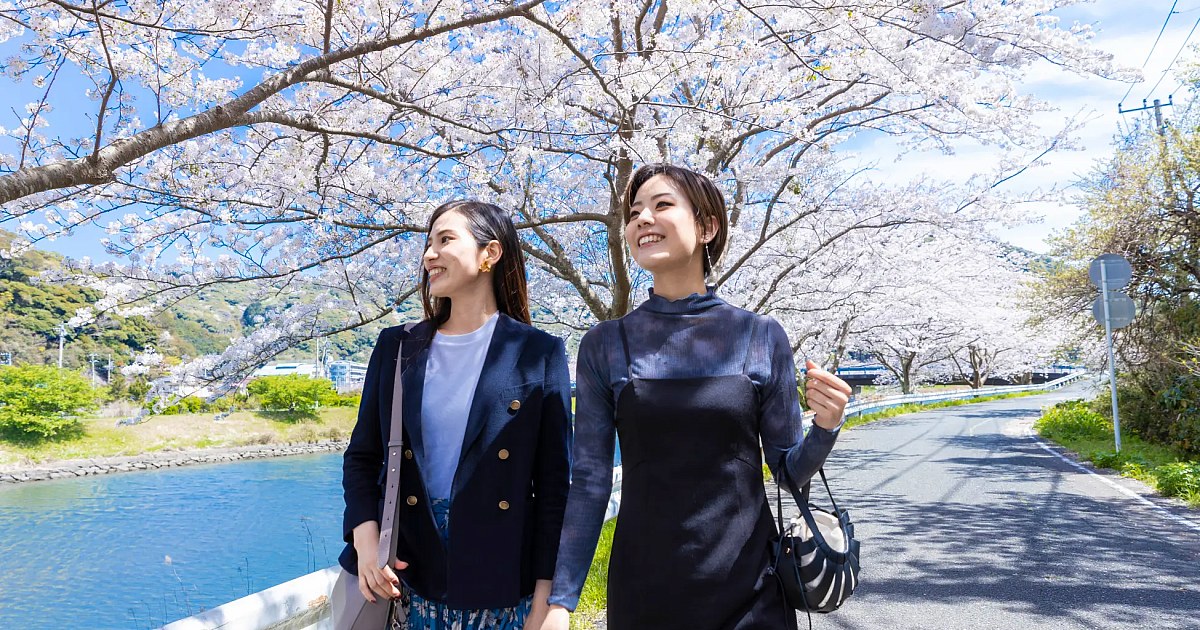
The tradition of hanami – the viewing of cherry blossoms – offers a unique opportunity to slow down from the hectic pace of modern life and devote oneself to moments of contemplation and togetherness in the open air. People organise picnics beneath the blossoming branches, creating a convivial atmosphere that brings together family, friends and colleagues in a deeply meaningful sensory and cultural experience. These gatherings become a true modern ceremony, capable of strengthening bonds and revitalising the spirit, whilst promoting wellbeing and a connection with nature.
The charm of hanami is not confined to a single location but extends to numerous places across the country, each with its own unique aesthetic and culinary character. From urban areas with parks and tree-lined avenues to historic districts where cherry trees frame ancient castles or traditional gardens, the experience takes on different forms that encourage the discovery and appreciation of the local area. Embracing this tradition therefore also means choosing a way of life that celebrates the changing seasons, local culture and the fleeting yet intense beauty of the present moment.
In an age when digitalisation dominates our daily lives, setting aside time to experience hanami is an invitation to rediscover a more human pace of life and authentic experiences. The pleasure of admiring the cherry blossoms is often accompanied by culinary events and traditional celebrations, which enrich the aesthetic experience with culinary and cultural delights. Thus, Japanese spring offers an opportunity to immerse oneself in a lifestyle that combines personal aesthetics, mindful socialising and an appreciation of nature as a source of daily wellbeing.
Origins, inspiration and cultural context
The phenomenon of hanami has its roots in an ancient Japanese tradition that celebrates the fleeting beauty of cherry blossoms, or sakura. This practice, which dates back centuries, has over time become a ritual that combines aesthetic contemplation with moments of outdoor conviviality, emphasising a sensory and social experience deeply rooted in Japanese culture.
Originally linked to the observation of nature and respect for the cycles of the seasons, hanami has also taken on a philosophical meaning connected to the transience of life, reminding us of the importance of enjoying the present. The cherry blossom season lasts only a few days, serving as a constant reminder of transience and of beauty that manifests itself for only a brief moment.
In the modern day, this tradition has evolved into an occasion for families, friends and colleagues to come together under the blossoming branches to share food, drink and moments of leisure. Cherry blossom festivals are often accompanied by folk, musical and culinary events, which showcase local specialities and create a festive atmosphere of togetherness.
For example, during hanami festivals at iconic locations such as Hirosaki Park – home to thousands of cherry trees of various varieties – visitors can not only admire the natural spectacle but also immerse themselves in cultural events and sample traditional dishes, making the experience a true ritual of wellbeing and sensory pleasure.
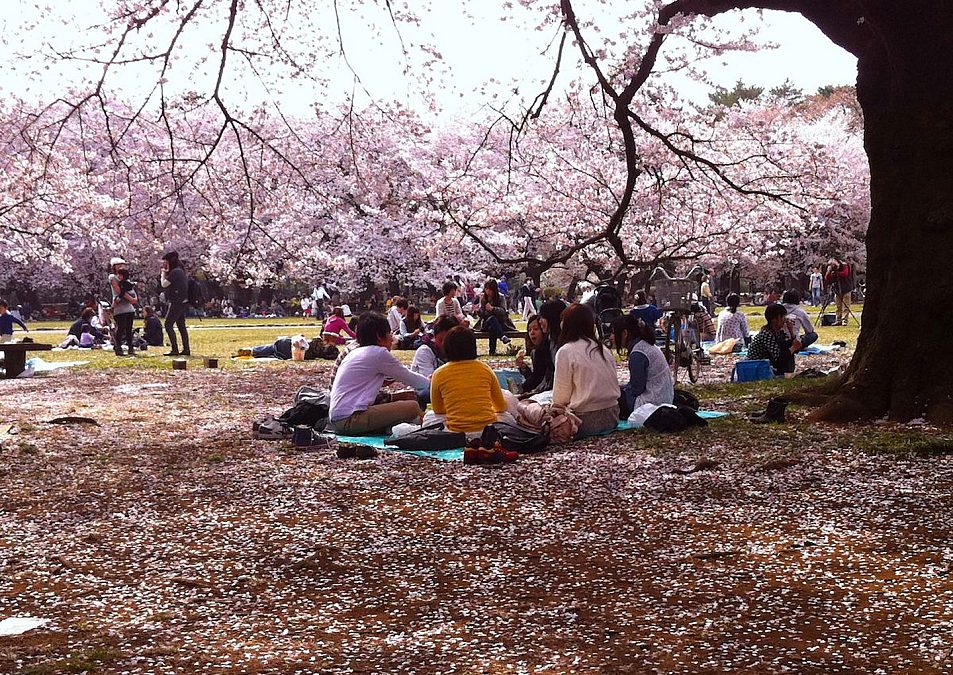
This focus on aesthetics and contemplation is also reflected in Japanese daily life, where the care taken over green spaces, the art of flower arrangement and the celebration of the seasons all contribute to a lifestyle centred on mindfulness and harmony. Hanami, therefore, is not merely a spring festival but an invitation to live every moment with intensity and gratitude, whilst respecting nature and traditions.
Experience, practical benefits and sensations
Cherry blossom viewing, known as hanami, transforms a simple moment spent outdoors into a ritual of wellbeing that engages all the senses. Taking part in this event means immersing yourself in an atmosphere of serenity and contemplation, ideal for taking a break from the hustle and bustle of everyday life and recharging both mind and body. Being in touch with nature, accompanied by the delicate scent of sakura blossoms, fosters a sense of inner peace, promoting mindfulness and living in the moment.
From a practical point of view, hanami provides an opportunity to incorporate healthy habits into one’s daily routine, such as leisurely walks and pleasant picnics in the open air. Places such as Hirosaki Park, famous for the enchanting setting provided by its 2,600 cherry trees and the ruins of the 17th-century castle, offer beautifully scenic and comfortable spaces where you can relax whilst contemplating nature and immerse yourself in local cultural and culinary events.
The visual experience is further enhanced in the late afternoon, when the evening lighting brings out the delicacy of the petals, creating magical scenes that stir deep emotions and a sense of wonder. This is the perfect time for those wishing to experience hanami in a more contemplative way, perhaps accompanied by a themed dinner at venues near Tokyo Midtown or in other nightlife districts, where the view of the cherry blossoms blends with the refined ambience of these establishments.
The aesthetic dimension of hanami not only influences one’s mood but also inspires more mindful lifestyle choices, encouraging people to appreciate fleeting beauty and to create personal rituals that celebrate the changing seasons. The harmony between nature and culture during these moments fosters a sense of belonging and gratitude that can enrich everyday life, enhancing the quality of leisure time and overall physical and mental wellbeing.
In short, the hanami experience is not merely an opportunity to admire a natural spectacle, but brings tangible benefits: relaxation, an incentive to socialise in pleasant surroundings, aesthetic and cultural enrichment, and an invitation to incorporate moments of restorative respite into one’s daily routine. It is a true lifestyle ritual that celebrates the balance between the environment, the body and the mind.
How to incorporate it into your daily life
Incorporating the essence of hanami into everyday life means bringing a touch of fleeting beauty and mindfulness into one’s lifestyle. For example, setting aside a moment in the evening to contemplate cherry blossoms – perhaps gently illuminated in a garden or on your balcony – can become a personal ritual of relaxation and meditation. If you have a private outdoor space, planting a small cherry tree or simply some flowering branches in pots can create a relaxing atmosphere and provide a seasonal reminder that fosters a connection with nature and supports your daily wellbeing.
In one’s free time, organising picnics in parks with cherry trees creates opportunities for socialising outdoors that encourage a slower, more appreciative approach to life. Even in the city, visiting places such as Rikugien – a historic Japanese garden renowned for its spectacular night-time cherry blossom display – offers an immersive and aesthetic experience that enriches daily life and fosters moments of restorative leisure.
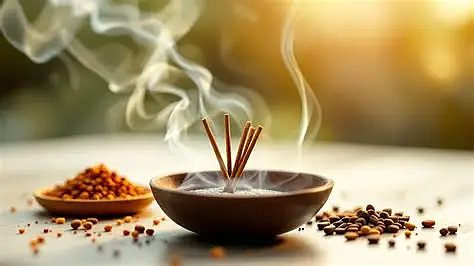
In the workplace, hanami can take the form of contemplative breaks spent looking at images or decorations inspired by cherry blossoms, which help to reduce stress and stimulate creativity. Creating a Zen corner with natural elements and subtle references to cherry blossoms helps to maintain a peaceful environment that is conducive to concentration.
When relaxing at home, for example after a busy day, you can make yourself a cup of green tea accompanied by traditional Japanese sweets decorated with cherry blossom petals; this choice enhances both the sensory and cultural enjoyment, fostering a mindful and rejuvenating experience.
By adopting habits such as these, hanami transforms our perception of time and space, inviting us to slow down and enjoy the fleeting beauty that nature offers us. In this way, the traditions associated with the cherry blossom season become not just a seasonal event but a genuine way of life that enriches our personal and social wellbeing.
Style, combinations and suitable settings
The practice of hanami – the appreciation of cherry blossoms – is not merely a Japanese cultural tradition, but a genuine lifestyle ritual that embodies the harmony between nature and moments of conviviality. In this context, the atmosphere is delicate and refined, characterised by pastel shades and aesthetic details that evoke the lightness and transience of spring blossoms.
The recommended style for making the most of the hanami experience is comfortable yet smart clothing, made from natural fabrics and in soft colours such as pale pink, cream or sage green. The perfect outfit might include a light kimono or, for those who prefer a more contemporary style, a casual-chic look that allows you to sit on the grass or on a traditional ‘tatami’ picnic mat without sacrificing a touch of elegance.
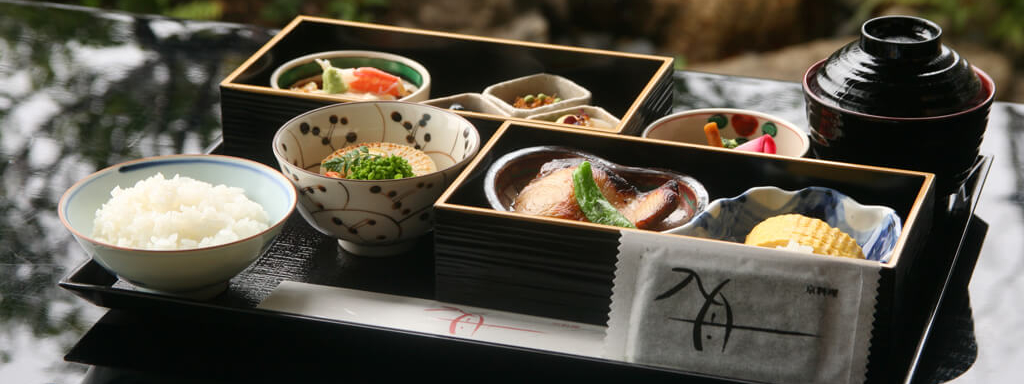
The ideal setting is outdoors, in a park or garden where cherry trees take centre stage. It’s a good idea to bring a large blanket to create a cosy corner and set up a small spread of seasonal delicacies. The dishes to pair with hanami reflect the spirit of the occasion: freshness, lightness and colour. Bento boxes filled with sushi, onigiri, vegetable tempura and traditional sweets such as pink mochi are perfect choices that complement the blossoming landscape.
Hanami isn’t just about relaxation; it also lends itself to more social and sophisticated occasions: romantic dinners in restaurants overlooking illuminated cherry trees, or evening aperitifs in bars that make the most of the enchanting atmosphere created by the illuminated sakura, as is the case in the Tokyo Midtown area of Roppongi. This versatility makes hanami suitable for a wide audience, from nature lovers to those seeking authentic cultural experiences and a sophisticated lifestyle.
One distinctive feature is the variety of blooms that enrich the visual and sensory experience: for example, in the areas at the foot of Mount Fuji, you can admire over 800,000 specimens of Shiba Sakura, or moss phlox, which create a carpet of flowers of extraordinary beauty and colour, adding a touch of vibrancy to the traditional image of the sakura. This combination of flowers makes the setting an ideal place for memorable photographs, moments of meditation or simply relaxing walks.
In short, the hanami celebration fits perfectly into a lifestyle that values attention to detail, a connection with nature and shared experiences in settings full of charm. Whether it’s a picnic with friends, a relaxing break or an elegant evening event, carefully choosing the right colour schemes and settings enhances the pleasure of this age-old tradition.
How to make an informed choice
When deciding to immerse yourself in the tradition of hanami or to enrich your daily life with elements inspired by this culture, it is essential to adopt a thoughtful and mindful approach. The choice of products, accessories or experiences should reflect not only quality and sustainability, but also consistency with your own habits and personal values.
Focusing on quality means opting for fine, durable materials that offer lasting aesthetic and sensory pleasure. For example, choosing natural fabrics such as cotton or silk for home accessories or clothing worn during hanami celebrations ensures comfort and respect for the environment.
Maintenance plays a crucial role: choosing items that are easy to clean and look after makes everyday use more enjoyable and sustainable, whilst avoiding unnecessary stress or waste. When it comes to hanami, a washable, stain-resistant tablecloth or crockery makes it easier to organise hassle-freeoutdoor picnics.
Making informed choices also means considering the environmental impact of one’s decisions. Opting for eco-friendly products, made from recycled materials or sourced from certified supply chains, is a gesture that enhances the value of the moment spent admiring the cherry blossoms.
To experience local traditions in an authentic way, you might consider the culinary experience offered by towns such as Morioka, famous for its wanko soba: this Japanese speciality, served generously in small bowls, reflects the spirit of sharing and abundance typical of the local culture. Choosing to take part in these customs broadens your perspective and makes the hanami experience even more meaningful.
Finally, it is important that the choices you make are consistent with your lifestyle and day-to-day needs, as the aim is to create enjoyable and sustainable rituals that can be seamlessly integrated into your routine, enhancing your personal wellbeing and respect for the environment around you.
Frequently Asked Questions
How can I incorporate the hanami experience into my daily wellbeing routine?
Taking part in hanami offers a unique opportunity to connect with nature and slow down the hectic pace of modern life. Planning a break during the blossom season to enjoy a walk in a park with cherry trees in bloom promotes mental relaxation and emotional renewal. This practice can become a seasonal ritual that fosters awareness and gratitude for fleeting beauty, enhancing overall wellbeing.
Where are the best places to enjoy the cherry blossoms in an authentic and less crowded setting?
As well as the famous city parks, there are lesser-known areas where hanami can be enjoyed in a more intimate atmosphere. For example, at the foot of Mount Fuji, you can admire a carpet of over 800,000 Shiba Sakura flowers – a type of moss phlox – which offers breathtaking scenery away from the crowds. Choosing alternative locations allows you to enjoy the experience in a more relaxed and personal way.
How can you choose the perfect accessories for a picnic during hanami, in keeping with a mindful lifestyle?
To ensure your hanami picnic is both enjoyable and sustainable, it is important to opt for reusable cutlery and eco-friendly containers, avoiding single-use plastic. Bringing light, healthy food – perhaps made with seasonal ingredients – enhances the sensory experience. Furthermore, choosing a comfortable and hard-wearing blanket allows you to savour the moment for longer without compromising on comfort.
What psychological benefits can attending a cherry blossom festival offer?
Flower festivals encourage socialising and a sense of community, which are fundamental to psychological well-being. Attending events featuring traditional music, local food and performances allows you to immerse yourself in a rich and stimulating culture. This experience fosters positive emotions, reduces stress and promotes an attitude of appreciation towards nature and traditions.
How might hanami influence choices regarding home furnishings and décor?
The delicate and fleeting beauty of cherry blossoms often inspires interior design, bringing a sense of harmony and serenity to the home. Incorporating decorative elements such as floral prints, pastel-coloured fabrics or small vases with sakura branches breathes new life into the living space. This choice reflects a desire to celebrate nature and foster an atmosphere of peace and daily renewal.
How can you look after cherry trees in your garden so that you can enjoy their blossom for longer?
Caring for a cherry tree requires attention to pruning, regular watering and protection from pests. Planning your pruning for after flowering helps to maintain the tree’s shape and promotes healthy growth. Furthermore, choosing varieties suited to the local climate ensures a more abundant and longer-lasting bloom, allowing you to bring a piece of the hanami experience home and incorporate it into your lifestyle.